How to Choose a Transformational Retreat: 5 Questions to Ask Before You Book
By Jonathan Miksis · Updated · 6 min read

Retreats are having a moment, which means there are a lot of them out there, and the quality is all over the map. If you are still working out what a transformational retreat actually is, start there and come back. Some are genuinely life-changing. Some are a nice trip with a yoga class bolted on and a five-figure price tag.
Since 2021 I have invested over $100,000 of my own money into this world: retreats, coaching, courses. I have been the guest more times than I can count, and I now help facilitate them too. So I have seen what separates a retreat that changes someone's life from one that just makes for good photos.
Here are the five questions I would ask before I booked anything.
1. Who is actually leading it, and have they lived this?
The facilitator makes or breaks the experience. Look past the polished bio. Have they actually done their own work, or are they teaching from a certification they got last year? A good leader has been in the hard chair themselves. They can hold a room when things get real, manage group dynamics, and create enough safety that people stop performing.
If you cannot tell who is leading or what they have actually been through, that is your answer.
2. How big is the group?
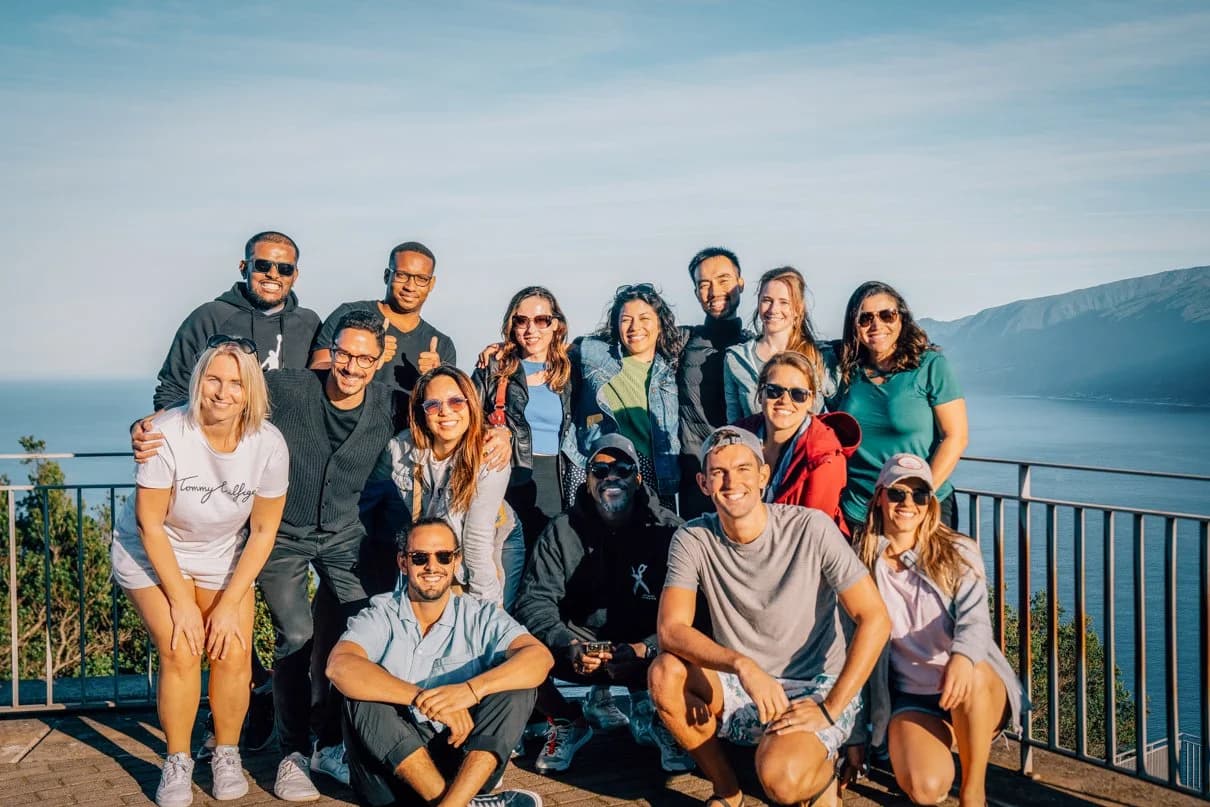
Small groups change people. Big groups entertain them.
When a circle is small, there is nowhere to hide, in the best way. You get seen, you get heard, and the connections are real. Once a group gets large, it turns into an event, and the depth quietly disappears. I will always take a curated group of a dozen over a room of fifty. Ask for the cap before you book.
3. What does a day actually look like?
Ask for the schedule. Then look for two things: intention and space.
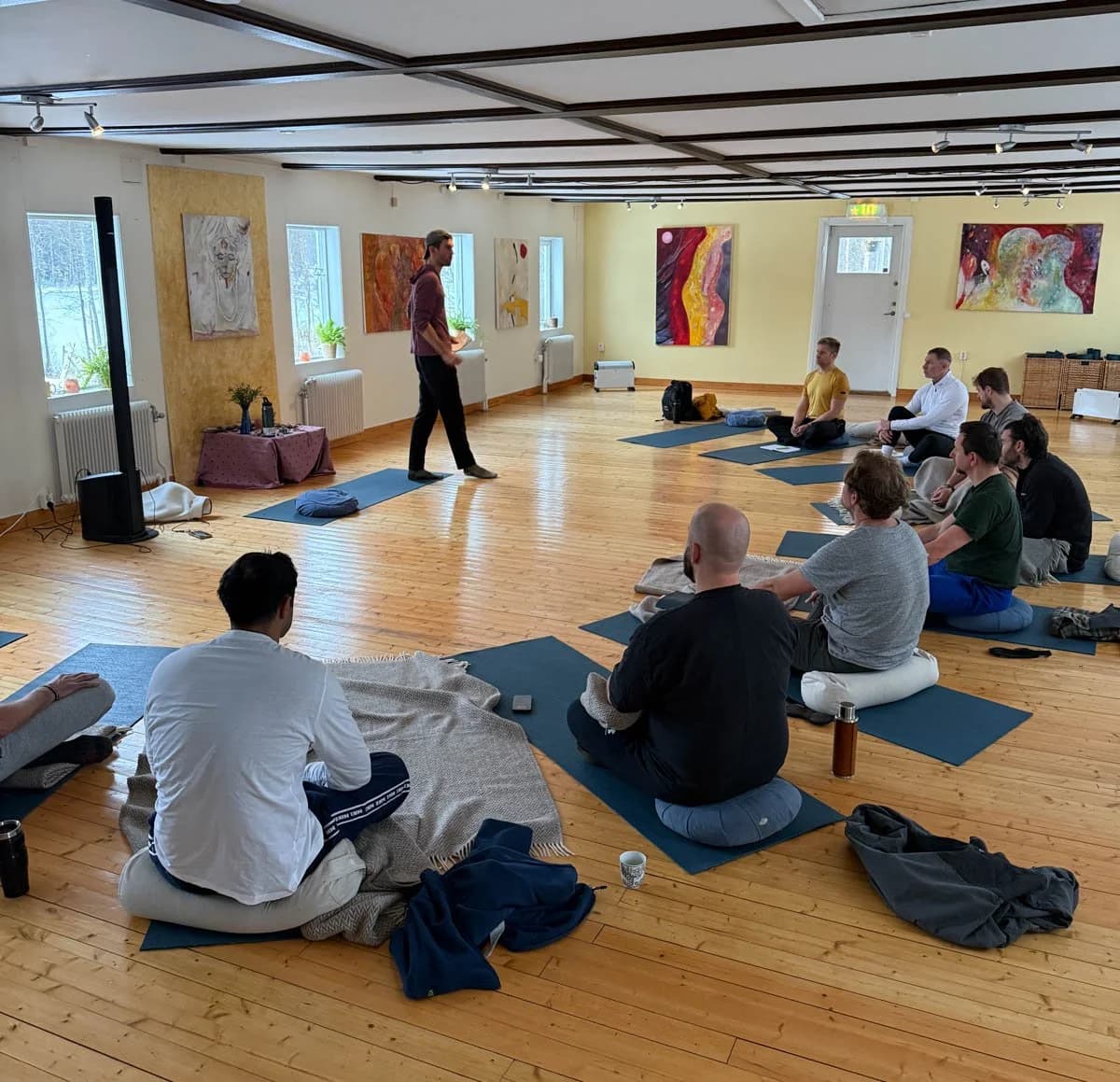
Intention means the days are designed, not random. Movement, nervous system work, real conversation, and time outdoors, in a flow that builds. Space means there is room to rest, journal, and just stare at the mountains. A retreat packed wall to wall is a conference. The breakthroughs usually happen in the gaps.
4. Does the location match the work you want to do?
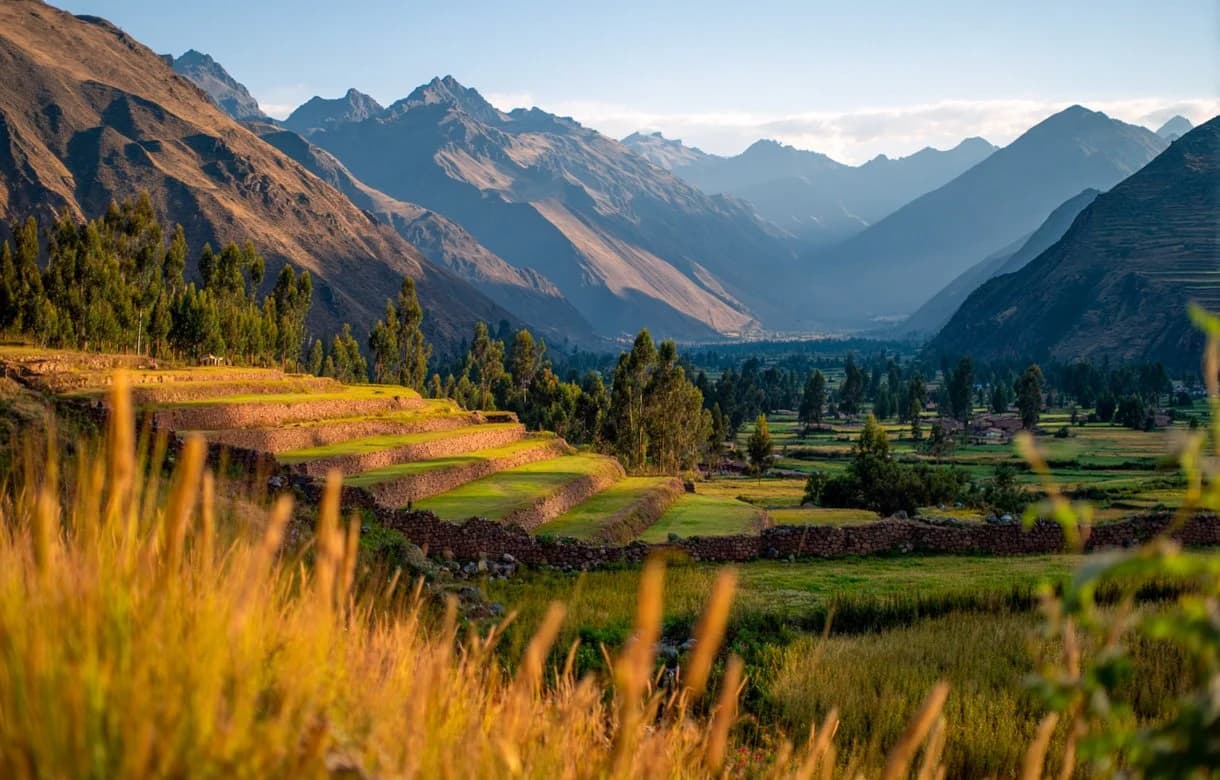
Place is not decoration. Mountains, desert, jungle, and ocean each do something different to your nervous system. When I choose where to host, I ask what I want the landscape to evoke, and whether the place truly supports stillness and honest conversation, not just whether it looks good on Instagram.
Be honest about logistics too. The most beautiful spot on earth does you no good if getting there leaves you fried before day one.
5. What happens after you go home?
This is the question almost nobody asks, and it is the most important one. The high of a great retreat fades. What you do in the 30 days after is everything.
Ask whether there is any integration support: a follow-up call, a community, simple practices to take home, clear next steps. A retreat that drops you off at the airport with a hug and never follows up is leaving most of the value on the table.
Red flags worth walking away from
Everything above is about finding a good fit. This is about avoiding a bad one. Any of these on their own is worth a hard question. Two or more and I would keep looking.
- Guaranteed outcomes. Nobody can promise you a breakthrough on a fixed schedule.
- No group cap disclosed. If they will not tell you the number, assume it is higher than you would like.
- Hidden pricing. Applications before prices is a sales funnel, not a screening process.
- Pressure to decide fast. Real scarcity is fifteen spots. Manufactured urgency is a tactic.
- No application or screening. If anyone with a credit card can join, the container is not being protected, and one wrong participant affects everyone.
- Guru positioning. A facilitator holds the room. A guru needs the room. Watch how they respond to being questioned.
- Discouraging outside contact. Phone-free is healthy. Being discouraged from talking to people outside the group is not.
- No follow-up at all. The value lives in the 30 days afterward, and a host who has not thought about that has not thought about the important part.
What it should cost
Price alone tells you very little, but the range is worth knowing so you can spot an outlier in either direction.
Most multi-day transformational retreats land somewhere between roughly $1,500 and $8,000 per person before flights. Weekend and domestic formats sit at the lower end. Week-long international retreats with small groups and experienced facilitators sit at the top.
If something is dramatically cheaper than that band, work out what was cut. It is almost always group size, facilitator experience, or integration support, which are the three things that actually determine whether anything changes. I have written the full breakdown, from both sides of the table, in what a transformational retreat really costs.
Go alone, especially the first time
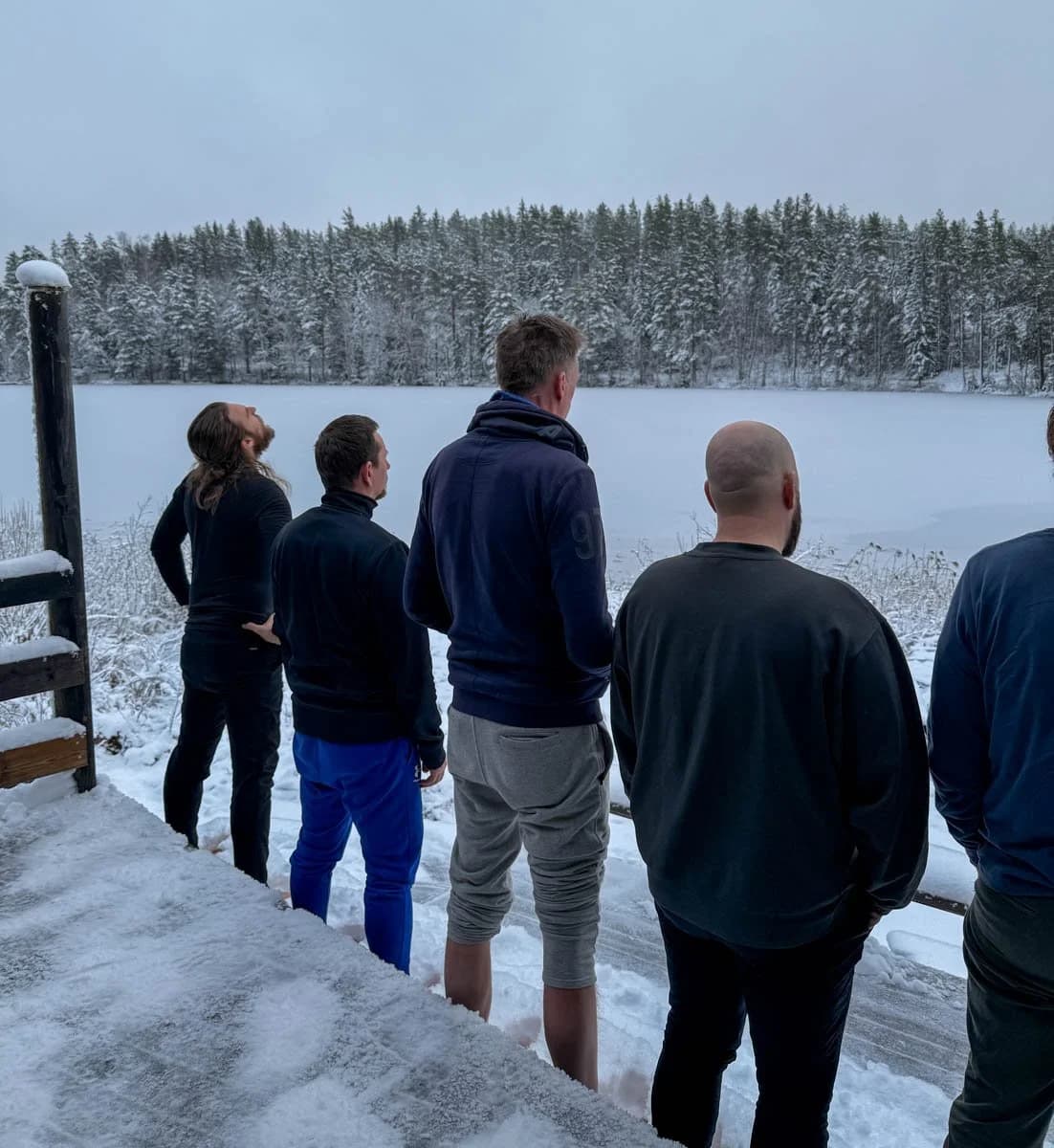
Almost everyone at a small retreat arrives on their own. That is not a coincidence, it is most of why the group forms so quickly.
Bringing a friend or a partner feels safer and it quietly costs you the experience. You have somewhere familiar to retreat to, and you will use it at exactly the moment the useful discomfort starts. You also end up processing everything through someone who already has a fixed picture of who you are.
Go alone. You will not be the only one.
A checklist before you send the deposit
- Group cap confirmed in writing, ideally twelve or fewer
- You know who is facilitating and what they have personally been through
- You have seen a real day-by-day schedule with genuine space in it
- You know exactly what is and is not included, especially transfers
- Cancellation terms are written down and scaled to notice
- There is some form of follow-up after the retreat
- You had an actual conversation with the host, not just an email thread
- The location matches the work you want to do, not just the photographs
If you are still weighing up whether you need a retreat at all, retreat vs vacation is the more basic question and worth answering first. And if you know you want to go but not where, twelve destinations for transformational retreats covers what each place is genuinely good for.
The simplest filter of all
If your body says yes before your mind catches up, pay attention to that. And if a retreat cannot give you straight answers to the five questions above, keep looking.
If you want help thinking it through, that is genuinely one of my favorite things to do. Take a look at the retreats I am running this year, or tell me what you are looking for and I will point you toward something that fits, even if it is not one of mine. I am well connected to some of the best hosts in the world, and I would rather you end up in the right room than just any room.
Frequently asked questions
How do I know if a retreat is legitimate?
Ask for the group cap, the facilitator's actual background, a full day-by-day schedule, and what happens after you go home. A legitimate host answers all four plainly and in writing. Vagueness on any of them, particularly group size and price, is the most reliable warning sign there is.
What group size should I look for?
Twelve or fewer for anything billed as transformational. Small groups mean you are seen and heard and the connections are real. Once a group passes fifteen it becomes an event, people start performing, and the depth quietly disappears.
Should I go on a retreat alone or with a friend?
Alone, for a first transformational retreat. Nearly everyone else arrives solo, which is part of why the group bonds so fast. Bringing a friend gives you somewhere familiar to retreat to, and you will use it exactly when the useful discomfort starts.
What are red flags in a retreat listing?
Guaranteed outcomes, undisclosed group size, hidden pricing, pressure to decide within days, no application or screening, a facilitator positioned as a guru rather than a host, and no mention of any follow-up after the retreat ends.
How far in advance should I book a retreat?
Three to six months is typical. Good small-group retreats fill early, and you will need the runway for flights and time off anyway. If something is still wide open a fortnight out, ask why rather than assuming you found a deal.
What if I book and then realise it is wrong for me?
Read the cancellation policy before you pay, because deposits of 25 to 50% are normally non-refundable once the host has committed to the venue. If you have genuine doubts, call the host and say so. A good one would rather move you to a later date or turn you away than have a poor fit in the room.
Hear when 2027 dates open
I run a small number of retreats a year. I email when dates open or a spot frees up, and not otherwise.
No spam, and unsubscribe any time. See how your details are handled in the privacy policy.