Executive Retreat Locations: Where to Take a Leadership Team That Needs to Think
By Jon Miksis · · 10 min read
Most executive offsites are a conference room with a better view.
The team flies somewhere pleasant, sits through a packed agenda, does an activity nobody asked for, has a nice dinner, and flies home. Two weeks later nothing has changed, because nothing was ever designed to change. It was a normal week relocated.
That is a shame, because the format genuinely works when it is built properly. I have spent eight years and 73 countries around this kind of travel, attended 20+ transformational retreats and helped facilitate six of them, and I now consult with hosts on designing them. The difference between an offsite and a retreat that shifts a leadership team is not the venue budget. It is the design.
Decide what has to be different afterward
Before any location conversation, answer one question: what is true after this that is not true now?
If you cannot answer it, you are planning a trip. And a trip is fine, if that is what you actually want. Just do not spend a leadership retreat budget on it and then be disappointed.
The usual real answers fall into four buckets, and they need different retreats:
- Alignment. Everyone leaves with the same picture of where this is going. Needs structured work and a facilitator, not scenery.
- Repair. There is unspoken tension between two or three people and it is slowing everything down. Needs time, safety, and an outsider holding the room.
- Reflection and direction. The team is executing well and nobody has lifted their head in eighteen months. Needs space, nature, and much less agenda than feels comfortable.
- Recovery. The team is genuinely fried and pretending otherwise. Needs rest, and honesty about the fact that this is what it is.
Most companies say they want alignment and actually need the third or fourth. If the leadership team is exhausted, no amount of strategy work will stick, and the retreat should be built accordingly.
What makes a location work
Beauty is the least important variable, which surprises people. Four things matter more:
Exclusive use. Take the whole property. Strangers wandering through the group at the wrong moment kills candour instantly, and there is always a wrong moment.
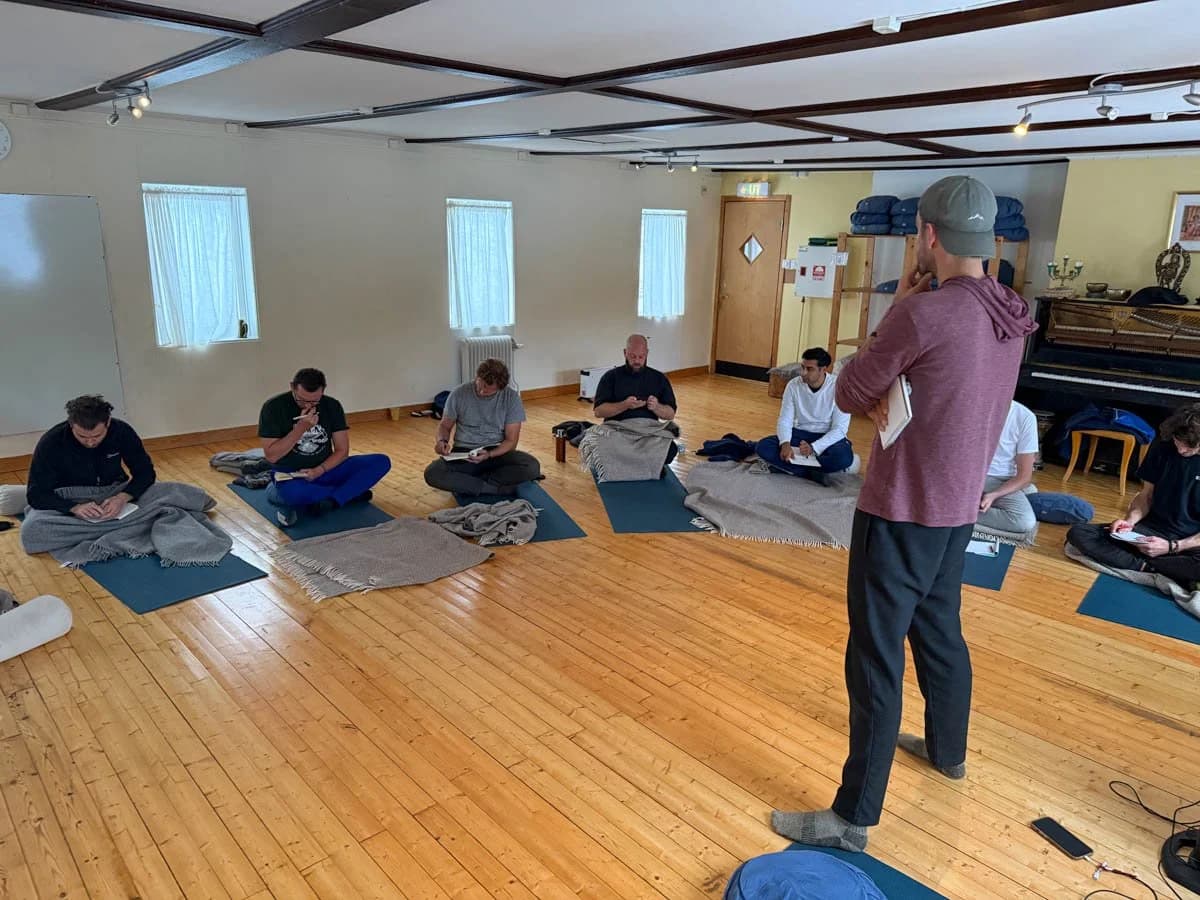
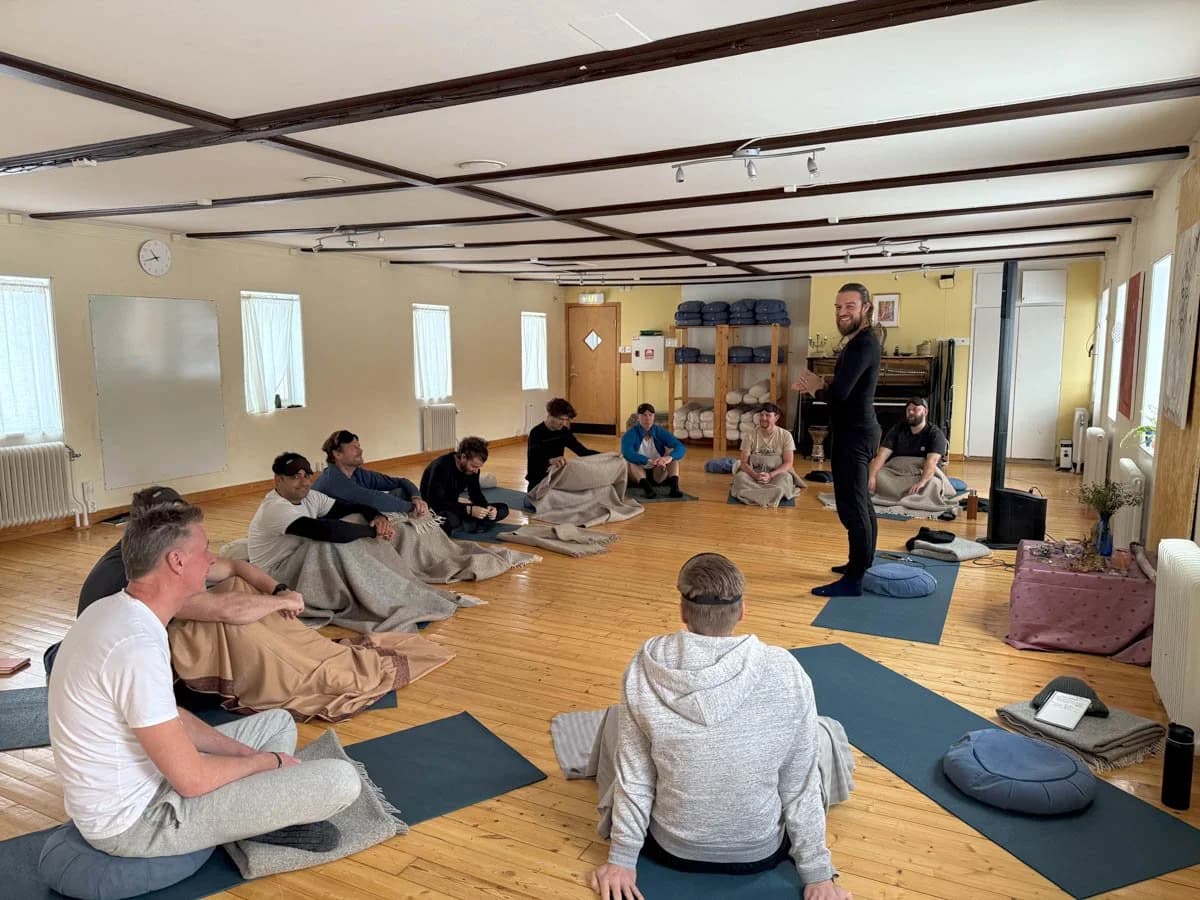
A room that works. One indoor space where everyone can sit in a circle, with no pillar in the middle, no echo, and no boardroom table. The table is not neutral: it puts people in work posture and work posture produces work conversation. Ask for photos of the actual gathering space rather than the pool.
Nature within walking distance. Not a view of nature. Access to it. The most useful conversations on any retreat happen on foot, between two people, away from the group.
Low travel friction. Count doors. Every flight and transfer costs you energy on arrival, and leaders arrive depleted already. A three hour drive beats a nine hour travel day almost every time.
For a US team heading to the Dolomites, the Alps, or Madeira, the transatlantic leg is both the largest line in the budget and the main reason people arrive flat. My site Europe Flight Club covers routes and cabin options from 26 US airports, which compounds when you are moving eight people rather than one.
Then the boring ones that decide whether it runs smoothly: weather contingency, food quality and dietary flexibility, and reliable enough connectivity that people can be genuinely off-grid by choice rather than stressed about an emergency they cannot reach.
The seven at a glance
Every entry below is somewhere I have travelled or worked. Read the table for the shortlist, then the sections for why each one behaves the way it does.
| Location | Best for | Season | Nearest hub | Relative cost |
|---|---|---|---|---|
| White Mountains, NH | East Coast teams, fall dates, real terrain without a long flight | Sept to Oct | Boston, Portland ME | Low |
| Dolomites, Italy | Reflection and direction-setting, European teams | Late June to Sept | Venice, Innsbruck | Medium |
| Swiss Alps | International teams, tight schedules, no operational surprises | June to Sept | Zurich, Geneva | High |
| Madeira, Portugal | Budget-conscious European teams, year-round dates, recovery | Year-round | Funchal, direct from Europe | Low |
| Sedona, Arizona | Honest conversation, US teams, no passport needed | Spring and fall | Phoenix | Medium |
| Iceland | Distributed teams meeting midway, creative and directional work | May to Sept | Keflavik | Medium |
| Costa Rica | Teams that need to recover before they can think | Dec to April | Liberia, San Jose | Medium |
Two patterns worth noticing. The cheapest options on this list are not the weakest, they are simply the ones with the shortest flights for their audience. And the two that suit a genuinely depleted team, Madeira and Costa Rica, are the two nobody picks when the booker is trying to look impressive.
1. The White Mountains, New Hampshire
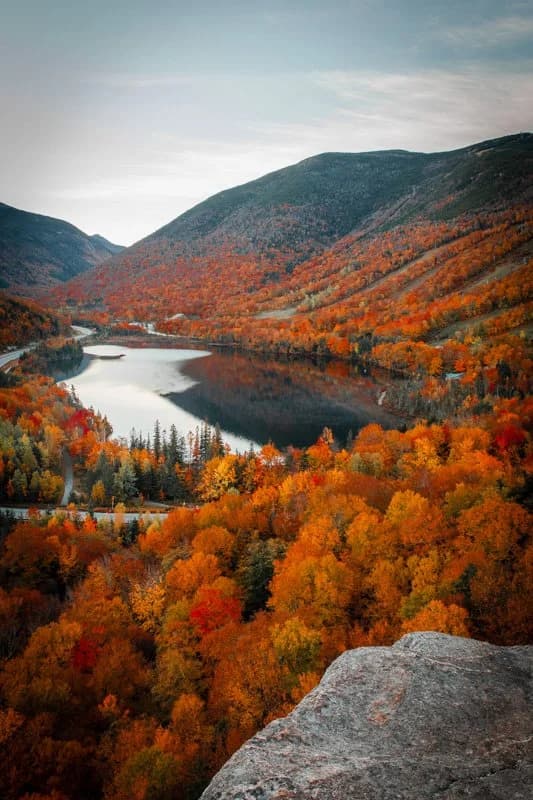
The best-value serious option on the US East Coast, and the region I know best. Real mountains, cold rivers, and proper remoteness within a few hours of Boston.
The area around Bartlett, Franconia, and Thornton has the right mix: inns that can be taken over entirely, hiking that ranges from gentle to demanding, and enough isolation that phones stop mattering. September and early October are exceptional and book out a long way ahead.
I have run a leadership and personal development retreat here in the White Mountains, built on exactly this logic.
Best for: East Coast teams, fall dates, real terrain without a long-haul flight. Access: Boston Logan or Portland, Maine.
2. The Dolomites, Italy
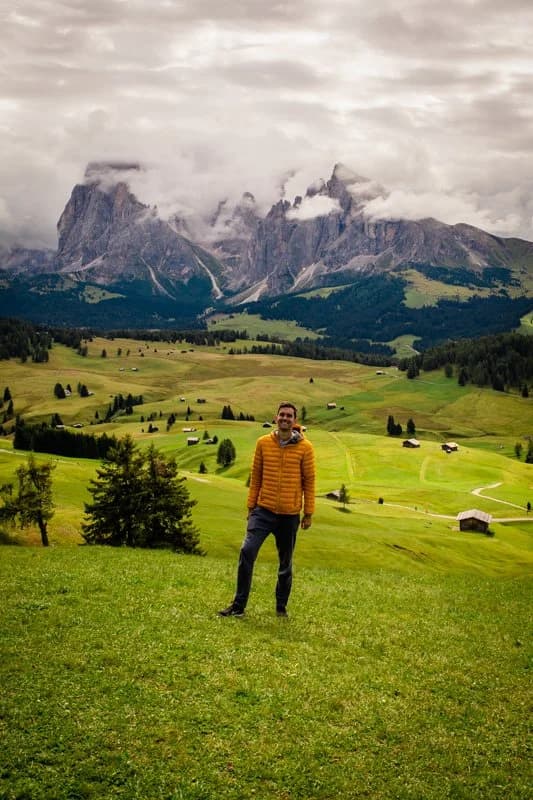
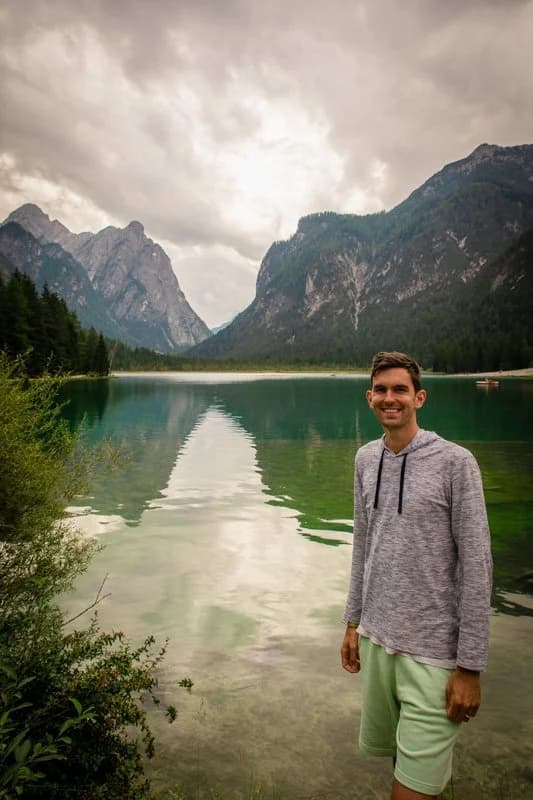
If you want a landscape that makes a leadership team go quiet, this is it. Vertical limestone, high alpine meadows, and mountain huts that will host a whole group.
The Dolomites do something specific: the scale is large enough that ordinary politics feel small, which is precisely the state you want people in before a hard conversation. The hiking is world-class and it can be tuned to any fitness level.
Best for: reflection, direction-setting, and European teams. Season: late June to September. Access: Venice or Innsbruck, then a drive.
3. The Swiss Alps
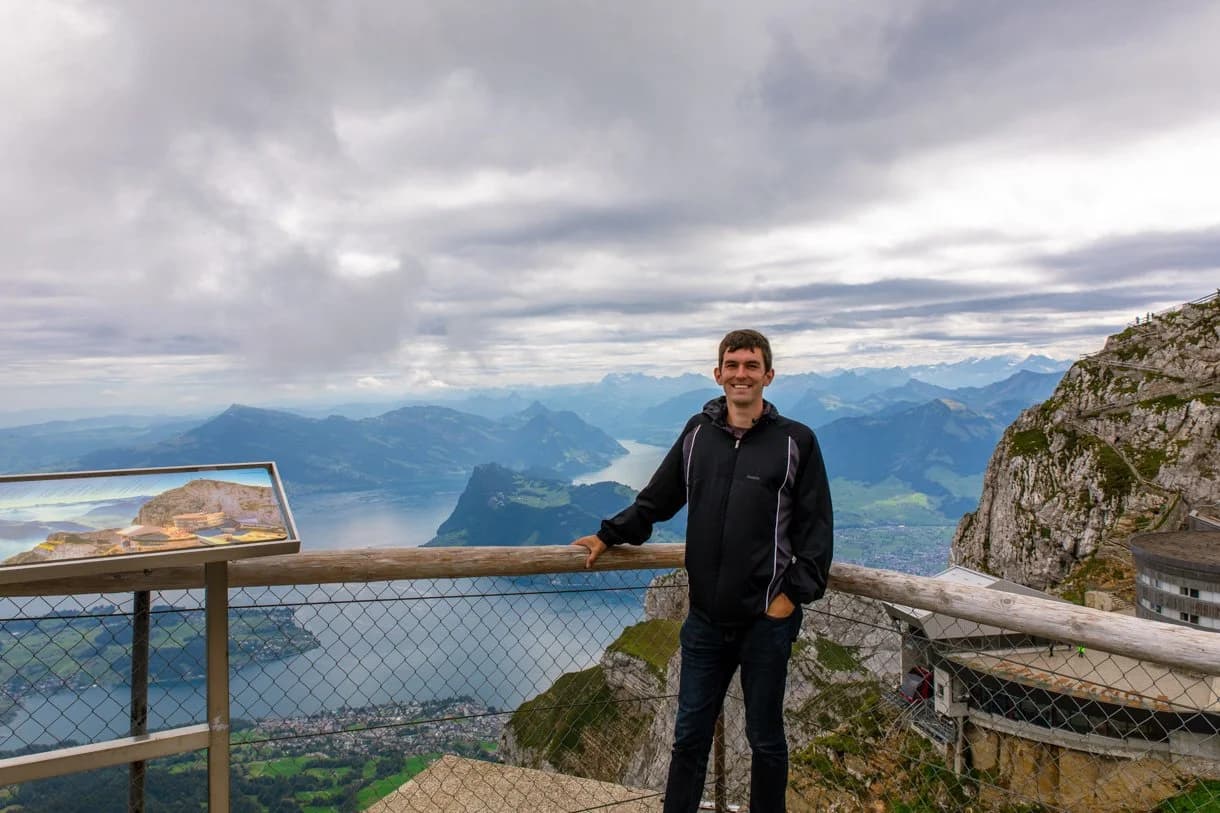
More polished than the Dolomites and considerably more expensive, with the trade-off that the logistics are effortless.
Swiss infrastructure is the selling point: trains that work, properties that deliver exactly what they promised, and mountain access without a difficult drive. For a leadership team where several people are arriving from different countries on tight schedules, that reliability is worth real money.
Best for: international teams, tight schedules, no operational surprises. Access: Zurich or Geneva.
4. Madeira, Portugal
The strongest value in Europe for this, and the one I recommend most often to teams that want depth without severity.
Mild year-round, dramatic without being punishing, and easy to reach from most of Europe. The levada trails give you hours of walking conversation, which is the single most underrated element of any leadership retreat. Property costs are a fraction of the Alps.
Best for: budget-conscious European teams, year-round dates, recovery-focused retreats. Access: direct flights from most of Europe.
5. Sedona, Arizona
Confronting rather than comfortable, which suits some teams exactly and others not at all.
Desert silence and red rock strip away performance quickly. If your leadership team has been polite about something for a long time, this landscape tends to shorten the runway to honesty. It is also easy from anywhere in North America, with no passport and no jet lag.
Be deliberate about the framing. Sedona has a reputation that will make some executives roll their eyes, and that is manageable if you set expectations rather than surprising people with it.
Best for: honest conversation, US teams, spring and fall. Access: Phoenix, then a two hour drive.
6. Iceland
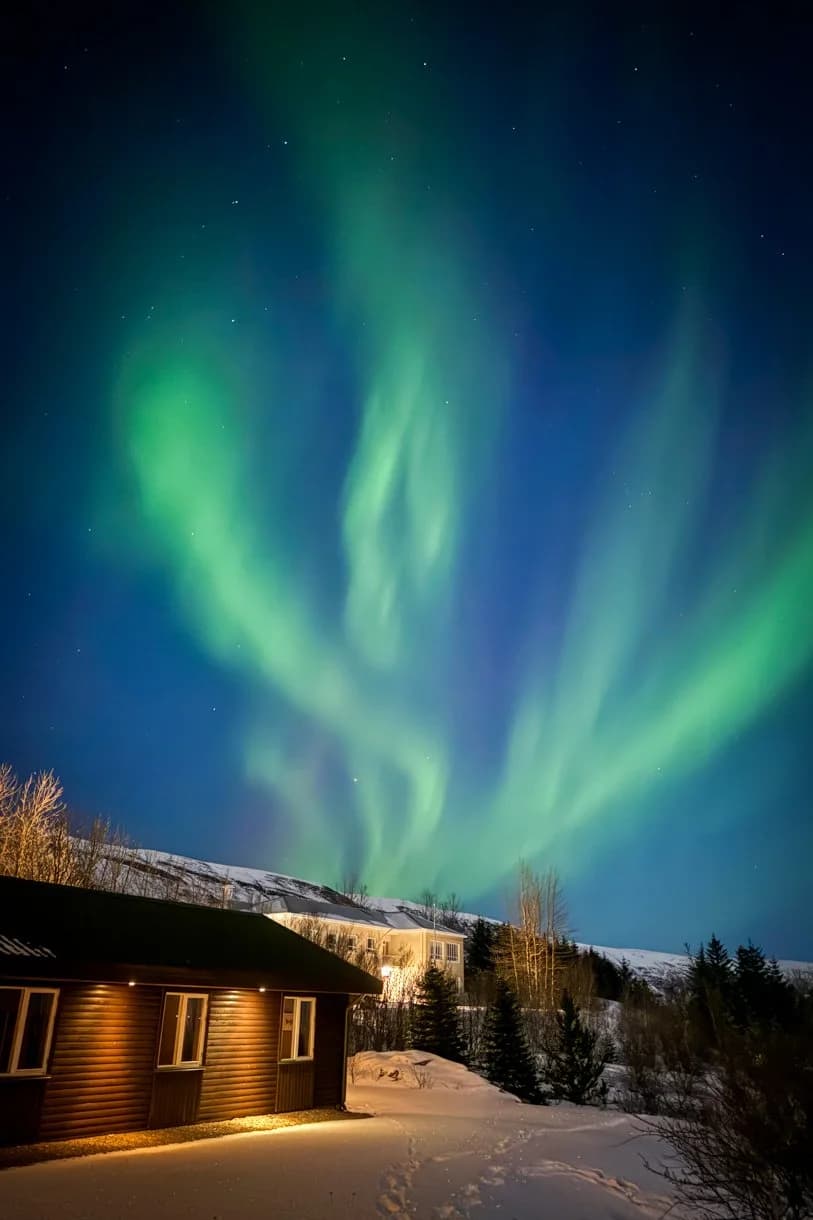
The strangeness is the tool. Black sand, steam venting out of the ground, waterfalls with nobody near them, and light that behaves unlike anywhere else depending on the season.
Iceland is unusually good at producing awe, and awe reliably makes people think differently about scale and time. It also has excellent infrastructure and short flights from both North America and Europe, which makes it one of the few genuinely convenient meeting points for a distributed leadership team.
Best for: distributed teams, creative and directional work, memorable shared experience. Access: Keflavík, well connected both directions.
7. Costa Rica
The right choice when the honest answer is that the team needs to recover before it can think.
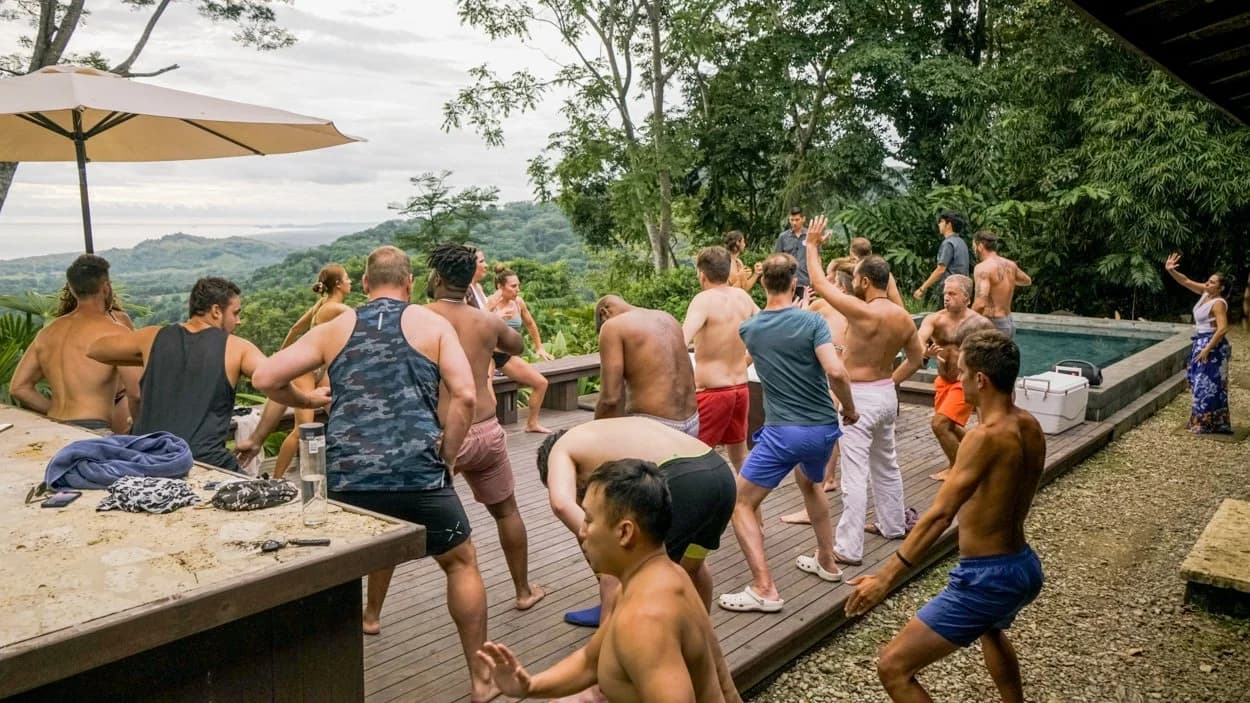
The Pacific coast around Nosara and Santa Teresa has a deep bench of properties built for exactly this, with the wellness infrastructure already in place: yoga space, good food, bodywork, and ocean. Pura vida is not a marketing line, it is a genuine change of pace that most executives find physically difficult for the first two days and then cannot stop talking about.
Best for: depleted teams, recovery-focused retreats, winter dates. Access: Liberia or San José.
For a wider set of options with what each place is genuinely good for, see twelve destinations for transformational retreats.
Designing the days
The two things a good agenda has are intention and space, and companies are consistently excellent at the first and terrible at the second.
A shape that works over three full days: arrival and decompression on day one with nothing heavy scheduled, the hardest and most honest work on day two when the group has settled, and decisions plus integration on day three. Never put the difficult conversation on the final morning, because there is no room left to resolve it.
Within each day: one long working block in the morning when attention is best, a genuinely long break in the middle, something physical outdoors in the afternoon, and dinner together with no agenda. Leave at least two evenings completely unscheduled.
Two specific things that consistently outperform:
Walking conversations in pairs. Assign pairs, give them a question, send them out for an hour. Things get said walking side by side that never get said across a table.
Real silence. An hour alone with a notebook before the strategy session. Leaders almost never get uninterrupted thinking time, and the quality of what comes back is noticeably different.
And cut the activity nobody asked for. Rope courses and trust falls are a substitute for actual facilitation. A hard hike together does the same work honestly.
Get someone else to hold the room
The CEO cannot both participate honestly and facilitate. If the person with the most power in the room is also running the agenda, you will get a well-managed meeting and no truth.
An outside facilitator changes what is sayable. They can put the unspoken thing on the table, manage the person who talks too much, and hold silence long enough for a real answer. Whether that person is a professional facilitator, a board member, or a trusted advisor matters less than that they are not in the reporting line.
The mistakes that show up every time
- Packing the schedule. The decisions happen in the gaps. Protect them.
- Booking the venue first. Decide the outcome, then find the place that serves it.
- Too many people. Above fifteen, candour disappears.
- No facilitator. You get a meeting with better catering.
- Ignoring exhaustion. Strategy work on a fried team does not stick.
- Skipping integration. Name what changes on Monday, who owns it, and when it gets reviewed. Otherwise the retreat is a pleasant memory.
- Booking a boardroom table. Circle of chairs. It genuinely changes the conversation.
If you're building one
The highest-leverage thing you can do this week is write the sentence: what is true after this that is not true now. Location, length, and agenda all follow from it, and most retreats go wrong because that sentence was never written.
If you want help designing it, I consult 1:1 with retreat hosts on location selection, schedule design, facilitation, and the integration work that decides whether any of it survives contact with a normal Monday. There is a fuller version of the process in how to host a retreat.
Tell me what you're planning and where you are stuck.
Frequently asked questions
What makes a good executive retreat location?
Exclusive use of the property, a genuine room for the whole group to sit in a circle, real nature within walking distance, and travel friction low enough that people arrive with energy. Beauty matters far less than those four things. A stunning venue that takes two flights and a four hour transfer will cost you a day of the retreat to jet lag.
How long should an executive retreat be?
Three full days is the minimum for anything beyond alignment. Day one is arrival and unwinding, day two is where the real conversation happens, day three is decisions and integration. Two-day offsites almost always end just as the group gets honest.
How big should a leadership retreat be?
Under fifteen, and ideally eight to twelve. Above that, people stop speaking candidly and start presenting. If your leadership team is larger, split it or accept that you are running a conference rather than a retreat.
Should we do a domestic or international executive retreat?
Domestic for most purposes. The gain from an exotic location is usually smaller than the cost in travel fatigue, budget, and scheduling. Go international when you specifically want distance from the office and everyone can arrive a day early to adjust.
Do we need an outside facilitator?
For anything involving conflict, strategy under disagreement, or genuine reflection, yes. The CEO cannot both participate honestly and hold the room. An outside facilitator also lets difficult things get said that would not be said with the boss running the agenda.
What is the biggest mistake companies make with executive retreats?
Packing the schedule. Leaders arrive depleted and then get programmed wall to wall, so the only thing that happens is more meetings in nicer surroundings. The decisions and honest conversations happen in the gaps, which is exactly what gets cut first.
Hear when 2027 dates open
I run a small number of retreats a year. I email when dates open or a spot frees up, and not otherwise.
No spam, and unsubscribe any time. See how your details are handled in the privacy policy.