How to Host a Retreat: The Complete Playbook (From Someone Who Does It)
By Jon Miksis · · 12 min read
Most people who want to host a retreat start in exactly the wrong place: the destination.
They fall in love with a villa in Bali or a finca in Costa Rica, put down a deposit, and then work backwards trying to figure out what the retreat is actually for. I have watched this happen more times than I can count, and it is the single most reliable way to end up with a beautiful trip that nobody signs up for.
Since 2021 I have spent over $100,000 of my own money on retreats, coaching, and courses, and I have attended 20+ transformational retreats around the world and helped facilitate six of them. I now run my own, and I consult 1:1 with other hosts on theirs. This is the playbook I wish someone had handed me at the start.
What hosting a retreat actually involves
Hosting a retreat is four jobs at once: designer, marketer, operator, and facilitator. Most people are strong at one, decent at a second, and quietly terrible at the other two. Knowing which is which before you start is most of the battle.
The design job is deciding what change you are creating and building days that produce it. The marketing job is filling the container, which almost always takes longer and more effort than people expect. The operations job is beds, food, transport, weather contingencies, and the fifty small things that go wrong. The facilitation job is holding the room once everyone arrives.
You can outsource operations. You can get help with marketing. You cannot outsource design or facilitation, because those are the thing people are buying.
Start with the transformation, not the destination
Before you look at a single venue, write one sentence: who is this for, and what is different about their life after four days with you?
If you cannot write that sentence, you do not have a retreat. You have a group trip.
"A reset for founders who are successful on paper and running on empty" is a retreat. "A wellness week in Tulum" is a vacation with extras. The first one sells to a specific person with a specific ache. The second one competes on price with every other villa week on Instagram.
Get specific about the ache. Burnout that looks like exhaustion is a different retreat than burnout that looks like flatness. A man coming out of a divorce needs a different container than a founder deciding whether to sell his company. The more precisely you name the person and the moment, the easier every other decision becomes, including where to host it.
Where to host a retreat
The right location is the one that matches the work, and that your specific group can realistically get to. Those two filters kill most of the options on your shortlist, which is a good thing.
Landscape does real work on the nervous system, and different landscapes do different work:
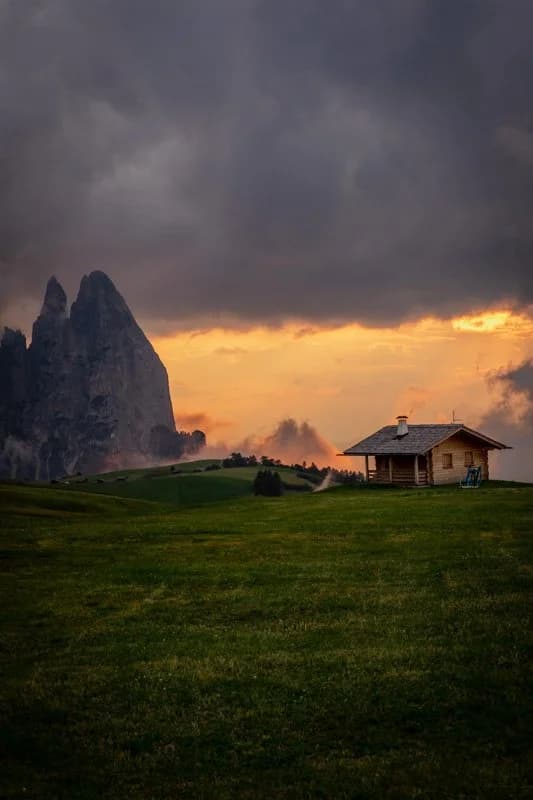
- Mountains create scale and challenge. Good for clarity, decisions, and people who need to feel small in a useful way. The Dolomites, the Swiss Alps, and the White Mountains all do this.
- Islands and coast soften people. Good for rest, grief, and anyone who has been gripping for too long. Madeira, the Azores, and Costa Rica's Pacific coast are strong here.
- Desert is confronting and quiet. Good for silence, vision work, and people avoiding something. Sedona is the obvious one.
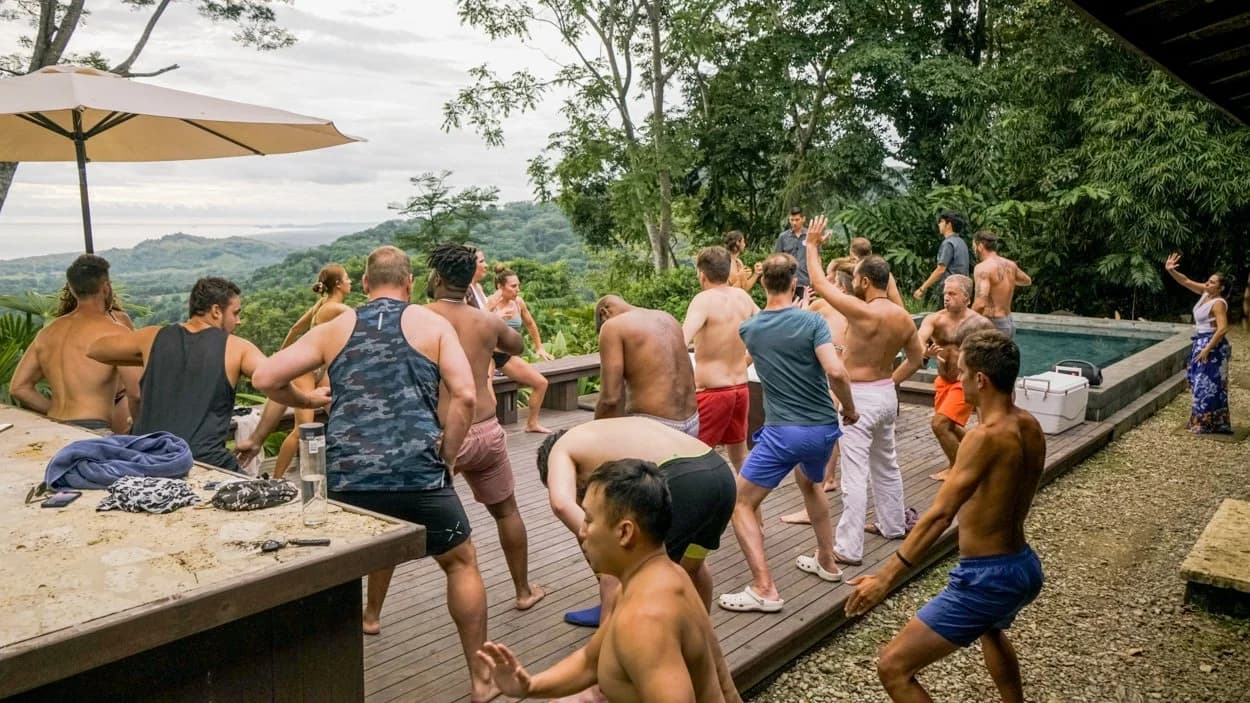
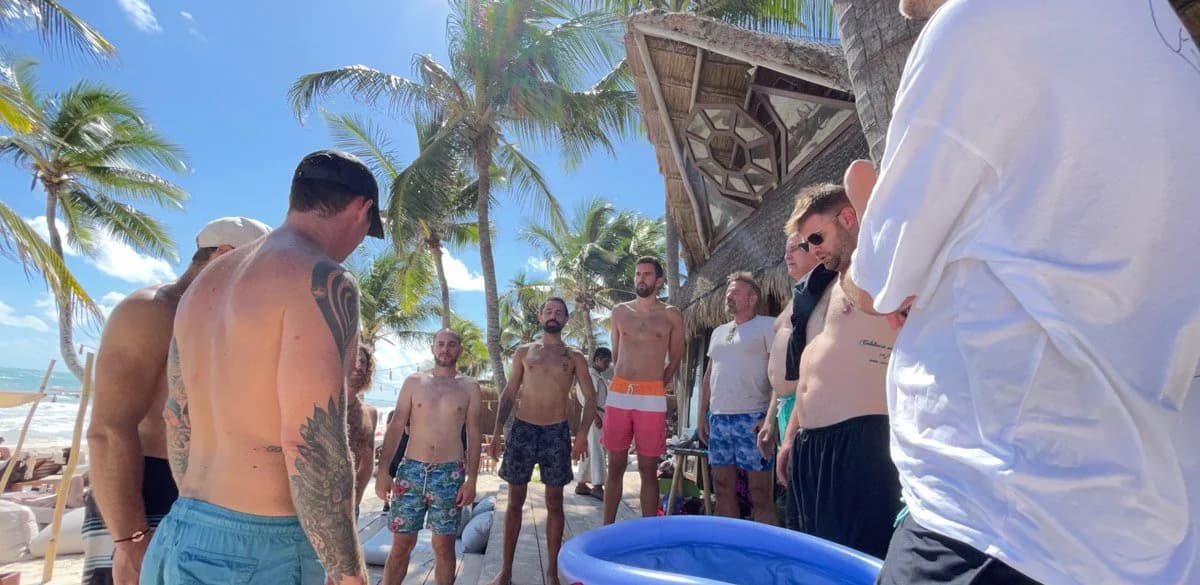
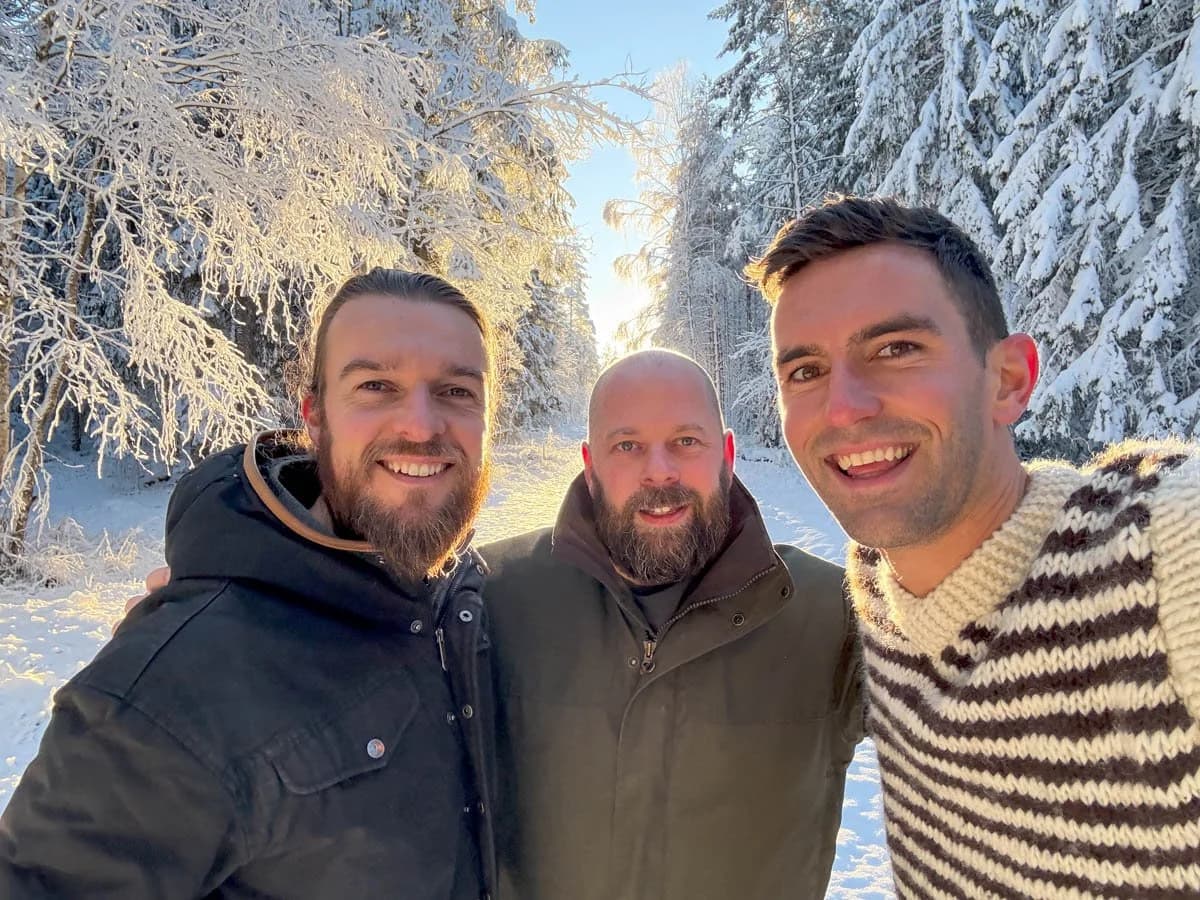
- Forest and wilderness strip away performance fast. Good for men's work, survival-flavoured formats, and anything involving fire, cold, and time alone. This is why we run the men's retreats in Sweden.
- High-altitude cultural landscapes carry their own gravity. The Sacred Valley in Peru and Lake Atitlán in Guatemala both have a quality that does half the facilitation for you.
I wrote up twelve destinations I have personally worked or travelled in, with what each one is actually good for, in my guide to the best destinations for transformational retreats. Use it as a starting shortlist rather than a wish list.
Then apply the boring filters, because they decide whether people book:
Travel friction. Count doors. How many flights, how long is the transfer, how bad is the jet lag for your core market? Every additional leg costs you enrollments. The most beautiful place on earth does you no good if people arrive fried before day one.
Venue control. Can you take over the whole property? Shared venues mean strangers wandering through your circle at the worst possible moment. Exclusive use is worth paying for.
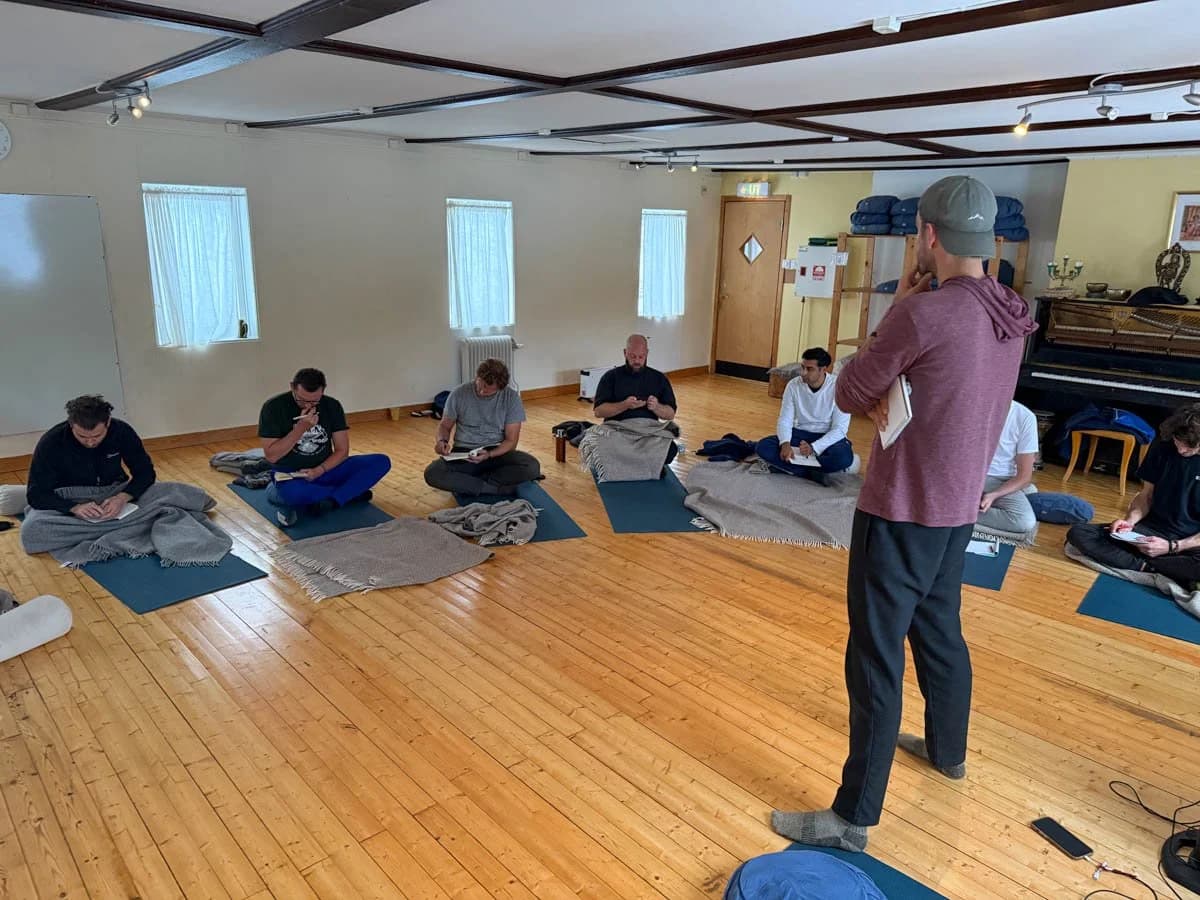
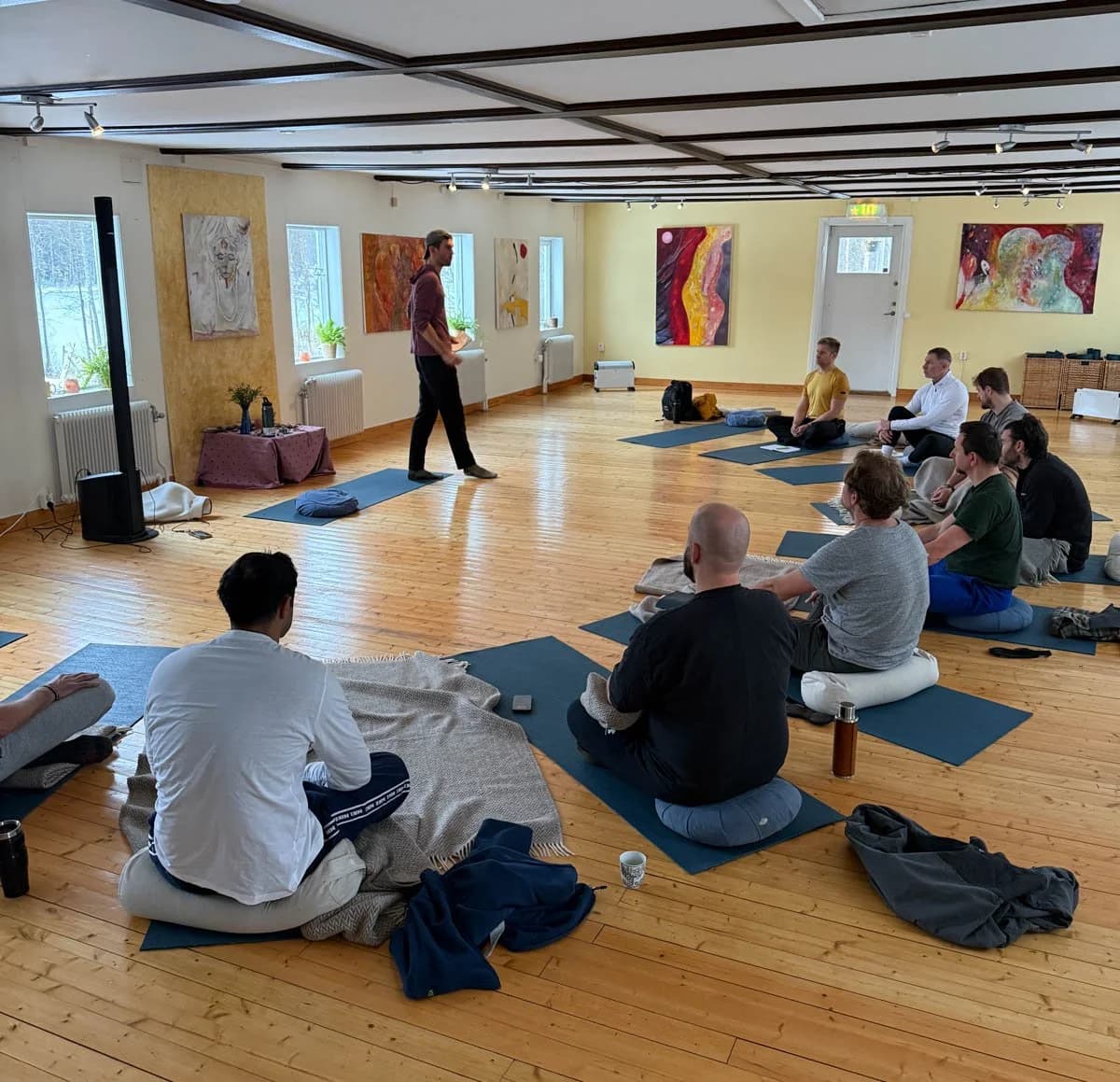
A room that works. You need one indoor space where the whole group can sit in a circle, with no pillar in the middle and no echo. This sounds trivial. It is not. Ask for photos of the actual gathering space, not just the pool.
Weather contingency. If your entire schedule assumes sunshine, you do not have a schedule. You have a hope.
Food. Whoever cooks shapes the mood of the retreat more than you would think. Ask how they handle dietary restrictions before you book, not after you have twelve people with six different requirements.
How to size the group
Eight to twelve people is the sweet spot for a first transformational retreat, and honestly for most retreats after that.
Small groups change people. Big groups entertain them. When a circle is small there is nowhere to hide, in the best way: everyone gets seen, everyone gets airtime, and the connections are real. Once you pass fifteen or so it becomes an event, people start performing, and the depth quietly disappears.
There is also a hard practical limit. One facilitator can genuinely hold about twelve people. Beyond that you need a second, which changes your cost structure and your dynamics.
Under six and you have a different problem: the group has no energy, one difficult participant can dominate the whole weekend, and a single cancellation is a noticeable hole. Six to eight is workable and intimate. Ten to twelve is the number I would aim for.
Designing the days
The two things a good schedule has are intention and space.
Intention means the days are designed, not assembled. The arc of a retreat is fairly consistent: arrival and safety, then opening and disruption, then the deep middle, then integration and re-entry. Front-load connection so people drop their armour. Put the hardest work on day two or three, not day one, and never on the final morning. End with something that sends people home with a plan, not just a feeling.
Space means room to rest, journal, walk, and stare at the mountains. A retreat packed wall to wall is a conference. Breakthroughs happen in the gaps, not in the sessions, and hosts who over-program are usually managing their own anxiety about whether people are getting their money's worth.
A daily rhythm that works, roughly:
- Morning movement and breathwork, before food, while people are still soft from sleep
- One long deep-work block mid-morning, when attention is best
- A real break in the middle of the day, two hours or more
- Something physical and outdoors in the afternoon: a hike, cold water, a shared adventure
- Evening circle or integration, then dinner together
- Nothing scheduled after dinner on at least two nights
Vary the intensity. If every session is a peak experience, nothing is. The contrast between challenge and rest is what makes the change stick.
Pricing and what it costs to host
Your price is set by three things: your all-in cost per person, the transformation you are credibly offering, and who you are to the market. Not by what feels comfortable to charge.
Build the cost sheet before you pick a number. Accommodation, all meals, ground transport, venue or space hire, activities and guides, any specialist facilitators, your own travel, insurance, payment processing fees, and a contingency line. Then add your time, which first-time hosts almost always price at zero and then resent later.
Two rules that will save you real money:
Break even below capacity. Build the model so that the retreat works at roughly 60 to 70% full. If you only break even at twelve out of twelve, you are one cancellation away from losing money and you will make desperate discounting decisions in the final month.
Never discount to fill. It punishes the people who booked early, it signals that the work is worth less than you said, and word gets around. If you are short, add value or run smaller. Do not cut price.
I have written a full breakdown of what retreats actually cost, from both sides of the table, in what a transformational retreat really costs.
How to fill the retreat
This is the part that breaks people, and it is almost never the destination's fault.
Participants buy three things, in this order: the facilitator, the transformation, and then the place. Most first-time hosts market in exactly the reverse order, leading with villa photos and an itinerary, and then wonder why a beautiful offer sits at three signups.
What actually works:
Start before you launch. Build the audience and the trust months ahead. Talk publicly about the work, not the trip. The people who eventually book are people who already believe you know something they need.
Sell to people you know first. Your first retreat will fill mostly from your existing circle, your past clients, and referrals. A public launch to strangers is a second-retreat strategy.
Run a waitlist, then open with real scarcity. Fifteen spots is genuine scarcity. Manufactured urgency is transparent and it cheapens you.
Talk to people on the phone. For a multi-thousand-dollar decision involving flights and time off work, a conversation converts far better than a sales page. It also lets you screen, which matters more than it sounds.
Screen everyone. One wrong participant can cost the whole group its container. A short application and a call is not gatekeeping for its own sake, it is what protects the experience for everyone else. Be willing to say no.
Budget three months minimum for enrollment. People need to arrange time off, flights, and childcare. A four-week launch window is not a launch, it is a scramble.
Building the team around you
Solo-hosting your first retreat is possible. It is also exhausting in a way that shows up in the room.
The minimum viable team is you plus one person who owns logistics: transport, timing, meals, the participant who lost their passport. That person does not need to be a facilitator. They need to be calm and organised. Having them frees you to do the only job nobody else can do.
Beyond that, bring in specialists rather than pretending. A breathwork facilitator, a yoga teacher, a guide who knows the terrain. Guest facilitators also give the group a change of voice, which helps on a longer format.
And know your own edge. If something clinical comes up, and on a real retreat it sometimes does, you need to know where your competence ends and who you refer to. Have that answer before you need it, along with proper insurance and participant waivers.
Facilitating the room
Facilitation is mostly about safety and pacing. Everything else follows from those two.
Safety is built early and structurally: clear agreements on day one about confidentiality, participation being optional, and how the group handles what comes up. It is built by you modelling the honesty you are asking for. And it is protected by you managing the person who talks too much, which is your job, not the group's.
Pacing is knowing when to push and when to stop. A good facilitator can feel when a room has more in it and when it is genuinely done. That comes from having been in the hard chair yourself many times, which is why the best hosts are relentless participants at other people's retreats.
Two things I would tell any new facilitator:
Silence is a tool, not a failure. When you ask a hard question and nobody speaks, wait. The urge to fill that gap is about your comfort, not theirs. The answer that comes after twenty seconds of silence is usually the real one.
You are not there to fix anyone. Your job is to create the conditions and hold the edges. The work belongs to the participant. Hosts who need people to have breakthroughs on their schedule are the ones who push too hard and break the trust.
Integration, the part most hosts skip
The retreat is not the product. The change that survives contact with normal life is the product.
Almost every retreat produces a peak on day three. Very few produce anything durable, and the difference is almost entirely about whether integration was designed in or bolted on.
Build it into the last day properly: what specifically changes on Monday, what gets removed from their life, what gets added, who holds them to it. Vague intentions evaporate on the flight home.
Then follow up. A group call two weeks out, a check-in at six weeks, an open channel between participants. This costs you very little and it is the single biggest differentiator between a retreat people remember fondly and a retreat people credit with changing their life. It is also, not incidentally, where nearly all of your referrals come from.
Mistakes I see first-time hosts make
- Booking the venue first. Design the transformation, then find the place that serves it.
- Over-programming. Silence and unstructured time are part of the work, not filler.
- Pricing from fear. Underpricing attracts people who are not committed and leaves you resentful and under-resourced.
- Skipping the application. The wrong participant is far more expensive than an empty bed.
- Assuming the destination sells it. It does not. You do.
- No integration plan. A great weekend with no follow-through is a very expensive holiday.
- Doing it alone. Get a second pair of hands. Always.
- Launching too late. Three months of enrollment runway, minimum.
Your next step
If you are building a retreat right now, the highest-leverage thing you can do this week is write the one sentence: who it is for, and what is different afterward. Everything else, including where you host it, gets easier once that sentence is true.
If you want a second set of eyes on it, I offer 1:1 consulting for retreat hosts. Location and venue selection, schedule design, pricing and offer structure, messaging, enrollment strategy, and the on-site facilitation notes that separate a nice trip from a life-shifting one. This is the work I enjoy most.
Tell me what you are building and where you are stuck.
Frequently asked questions
How far in advance should I plan a retreat?
Six to nine months is comfortable for a first retreat. You need roughly three months of runway just for enrollment, and venues in popular regions book out a year or more ahead for peak season. If you have under three months, run something smaller and closer to home rather than compressing the launch.
How many people should my first retreat have?
Eight to twelve is the sweet spot. Small enough that nobody hides and you can hold the room alone, big enough that the group has real energy and the numbers work. Plenty of excellent retreats run with six.
Do I need a co-facilitator?
For your first retreat, yes, or at least a second pair of hands. One person cannot hold the room and manage logistics at the same time. Even a capable assistant who handles transport, meals, and timing frees you to actually facilitate.
What is the hardest part of hosting a retreat?
Filling it. Most first-time hosts underestimate enrollment by a wide margin and overestimate how much the destination sells the trip. People buy the transformation and the facilitator, not the location.
Do I need to be certified to host a retreat?
No certification is legally required to gather people for a retreat, and certification is not what participants are actually buying. What matters is lived experience, the ability to hold a group, and appropriate insurance and waivers. If you are working with trauma, therapeutic claims, or clinical populations, that is a different bar and you need real credentials.
Where is the best place to host a retreat?
The best location is the one that matches the work you want to do and is realistically reachable for your specific group. Mountains suit clarity and challenge, islands suit rest and softening, desert suits silence and confrontation. A place that takes two flights and a four hour transfer will cost you enrollments no matter how beautiful it is.
Hear when 2027 dates open
I run a small number of retreats a year. I email when dates open or a spot frees up, and not otherwise.
No spam, and unsubscribe any time. See how your details are handled in the privacy policy.