Spiritual Retreats: 8 Places That Actually Do the Work
By Jon Miksis · · 10 min read
I want to be upfront about something, because this corner of the internet is full of people who are not.
I am not going to tell you that a week somewhere beautiful will dissolve your ego or unlock your higher purpose. I have been to a lot of these places, in 73 countries over eight years on the road, and I have spent over $100,000 of my own money since 2021 on retreats, coaching, and courses. Some of it changed my life. Some of it was expensive theatre.
What I can tell you is which places genuinely support this kind of work, what actually happens when you go, and how to spot the ones selling something else.
What a spiritual retreat actually is
A spiritual retreat is a few days to a couple of weeks away from normal life, structured around silence, reflection, and practice instead of sightseeing.
That is the whole definition. The specific practices vary enormously: meditation, breathwork, movement, fasting, ceremony, cold water, long walks, time alone. What they share is subtraction. You remove input, distraction, and the constant low hum of being reachable, and what is underneath gets loud enough to hear.
Most people arrive expecting to add something. What actually helps is taking things away.
Spiritual does not have to mean religious
This trips a lot of people up, and it keeps people away who would benefit most.
"Spiritual" here describes the depth of the work, not a belief system. Some retreats sit inside a living tradition, Buddhist, Christian, Andean, and are explicit about it. Many have no religious framework at all and are simply about attention, meaning, and how you want to live.
Both are legitimate. What matters is that the host says which one they are running. If a retreat page is vague about whether there is a specific spiritual framework, ask before you book. A straight answer is a good sign in itself.
For what it is worth, most of the men I work with would not describe themselves as spiritual. They would say they wanted to stop feeling like they were sleepwalking through a life they had technically built correctly. Same work, different vocabulary.
1. Sacred Valley, Peru
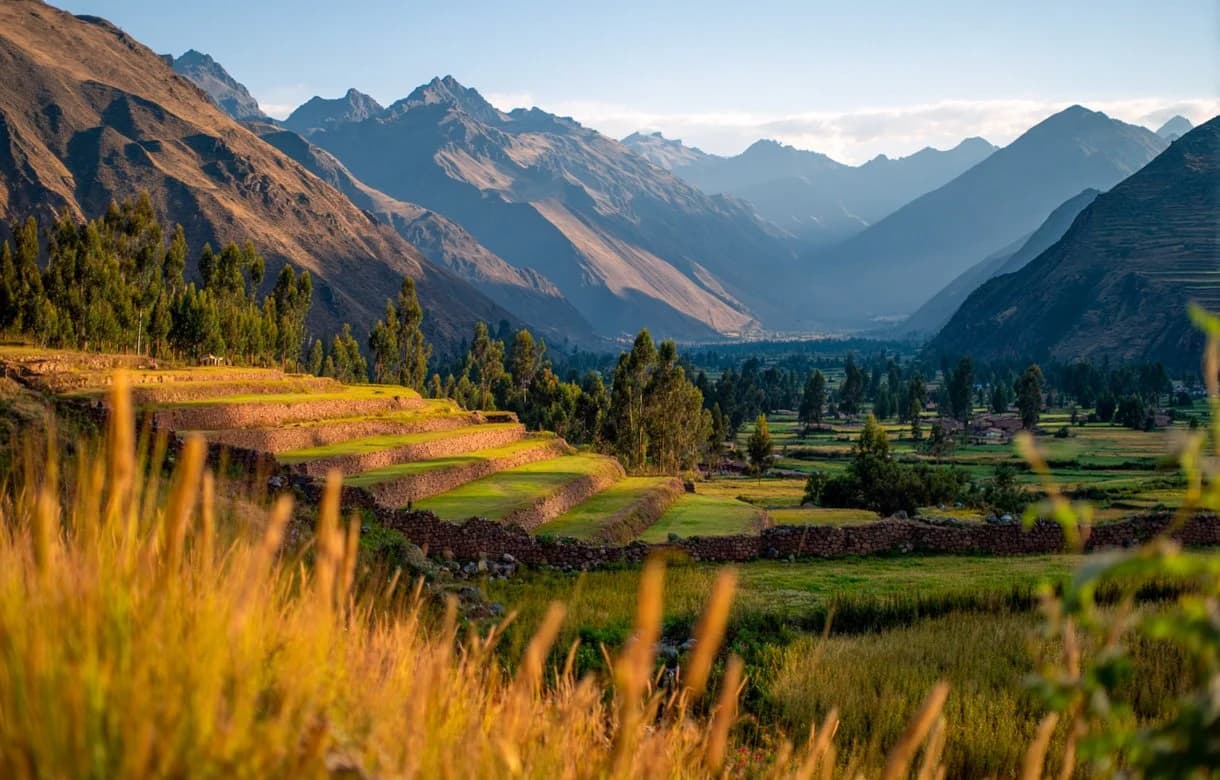
The Sacred Valley has a gravity that does half the facilitation for you. It sits at high altitude between Cusco and Machu Picchu, and the combination of thin air, Andean landscape, and unbroken living tradition puts people in a different state within a day.
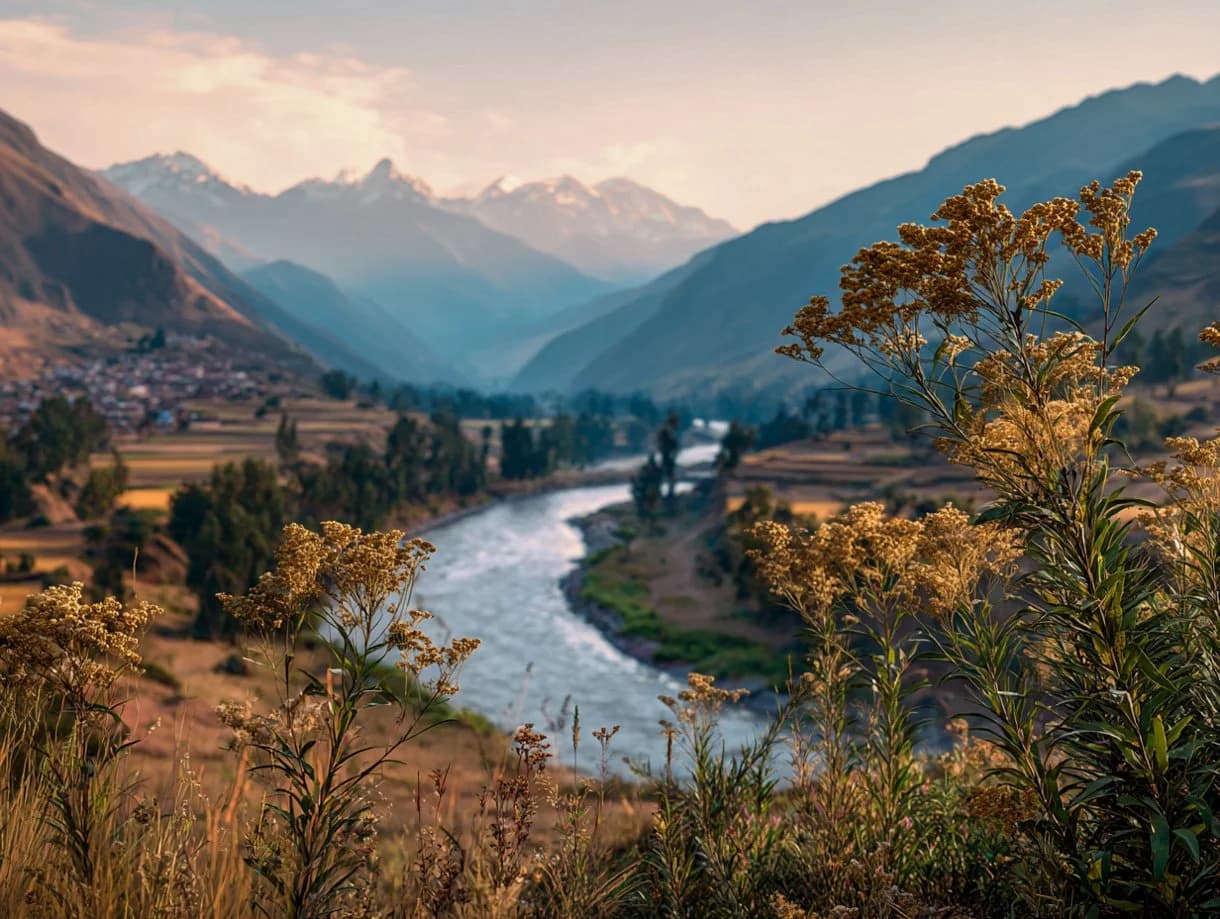
The altitude is not a detail. You will be slower, you will sleep strangely for the first two nights, and your body will insist on being paid attention to. That is uncomfortable and it is also the point.
Best for: vision work, grief, and anyone who needs to feel small in a useful way. Go if you want tradition and landscape working together. Skip if you have altitude concerns or need to hit the ground running.
2. Lake Atitlán, Guatemala
Atitlán is three volcanoes around a lake, villages connected by boat instead of road, and stars that make groups go quiet without anyone suggesting it.
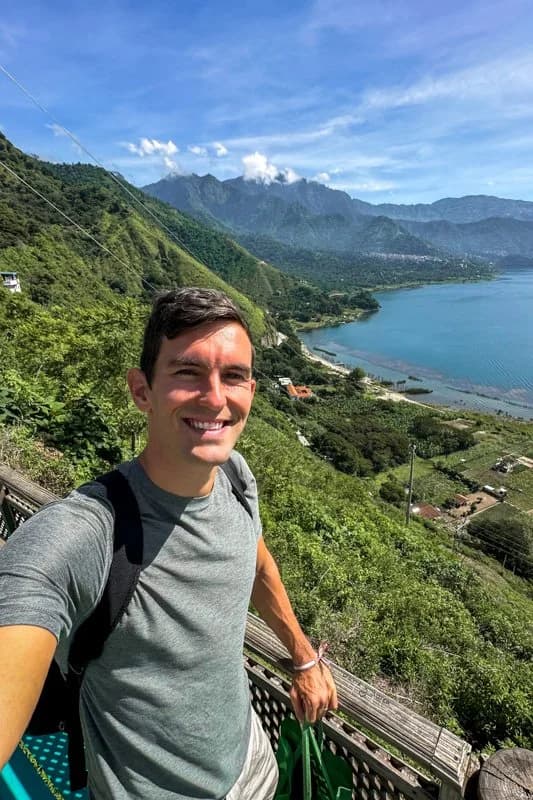
It has become a genuine hub for this kind of work, which cuts both ways: there is real depth available and there is also a lot of drifting. The village you base in matters more than the lake itself. San Marcos is the spiritual centre and can be intense. San Juan La Laguna is quieter and more grounded.
Best for: first-timers, softening, and long unstructured stretches. Go if you want depth without severity. Skip if you need reliable infrastructure and fast transport.
3. Ubud, Bali
Ubud is the most accessible entry point to this world, and that is both its strength and its problem.
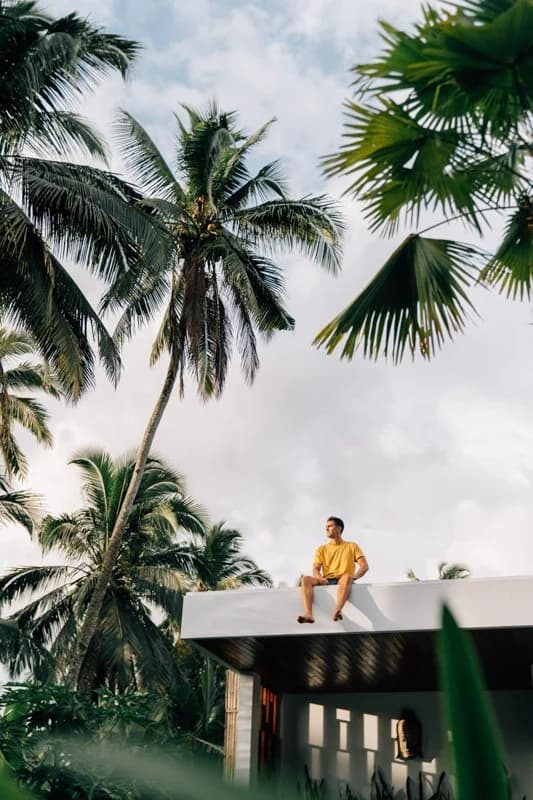
The infrastructure is unmatched: excellent teachers, every practice imaginable, good food, and easy logistics. The flip side is that a lot of what is sold here is wellness aesthetics rather than actual work, and it takes some discernment to tell the difference from the outside.
Get out of central Ubud. The rice terraces, the river valleys, and the quieter villages north of town are where the place still does what it is famous for.
Best for: a first retreat, or combining serious practice with comfort. Go if you want range and easy logistics. Skip if you want solitude or you are allergic to a scene.
4. Sedona, Arizona
Sedona is confronting in a way that surprises people. Red rock, hard light, and desert silence do not soothe you, they strip you down.
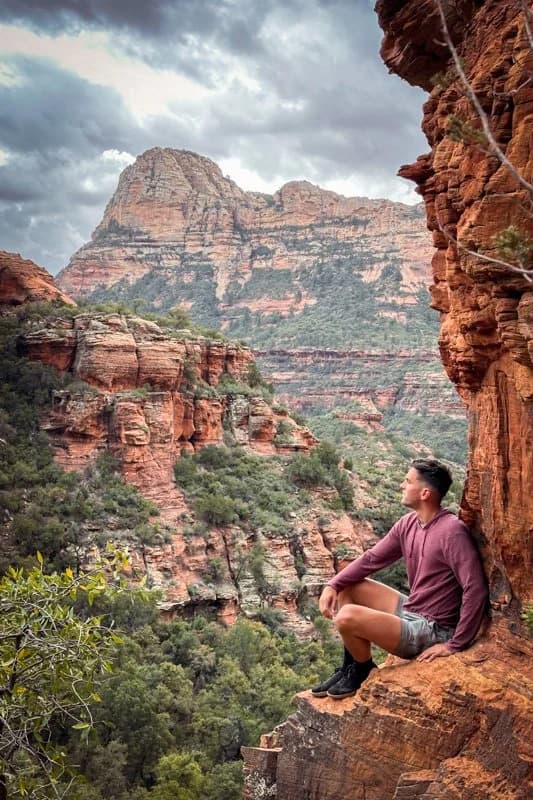
You do not need to believe anything about vortexes for this to work. The desert is genuinely quiet, the scale is genuinely humbling, and there is nowhere to hide from your own company. For anyone avoiding something, this is the landscape that finds it.
It is also the easiest option on this list for anyone in North America: no passport, no jet lag, no altitude to speak of.
Best for: silence, vision work, and confronting avoidance. Go if you want intensity without a long-haul flight. Skip if you want to be comforted.
5. Iceland
Iceland works on people through sheer scale and strangeness. Black sand, steam venting out of open ground, waterfalls with no one near them, and light that behaves wrongly depending on the season.
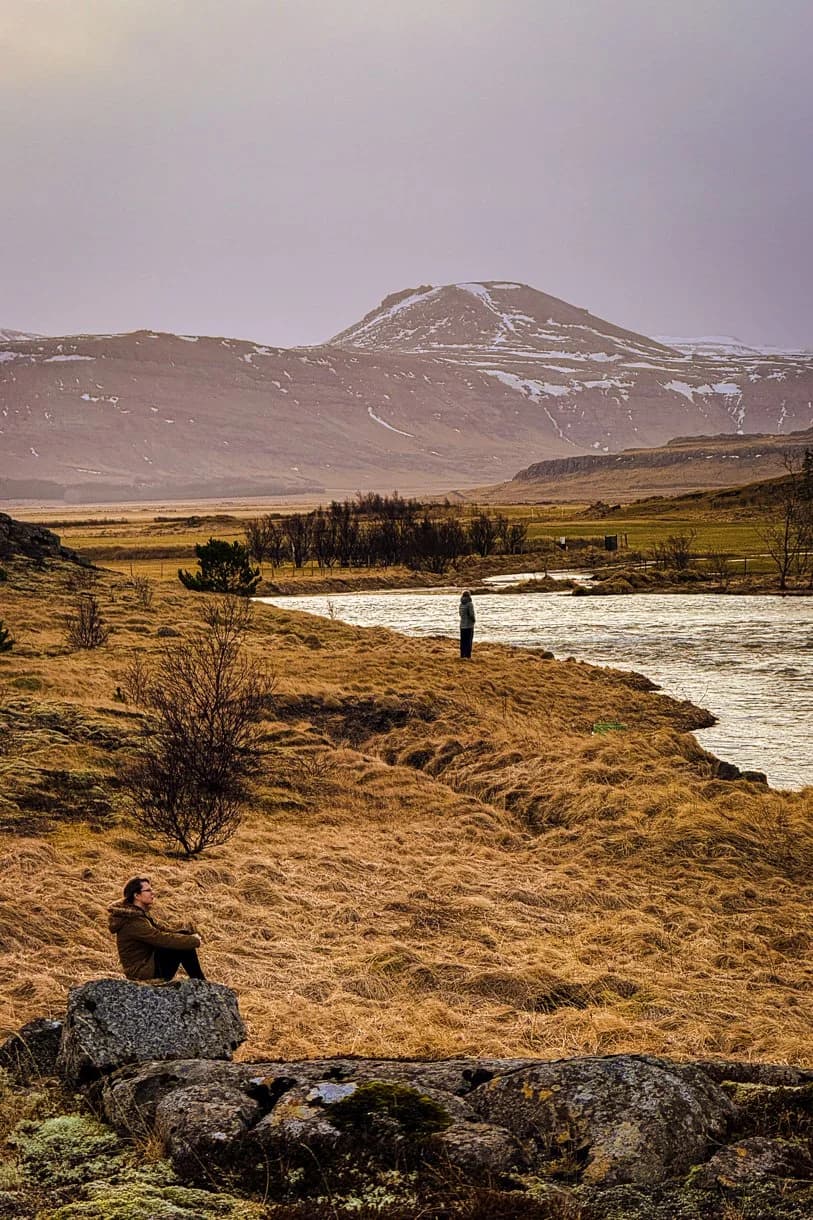
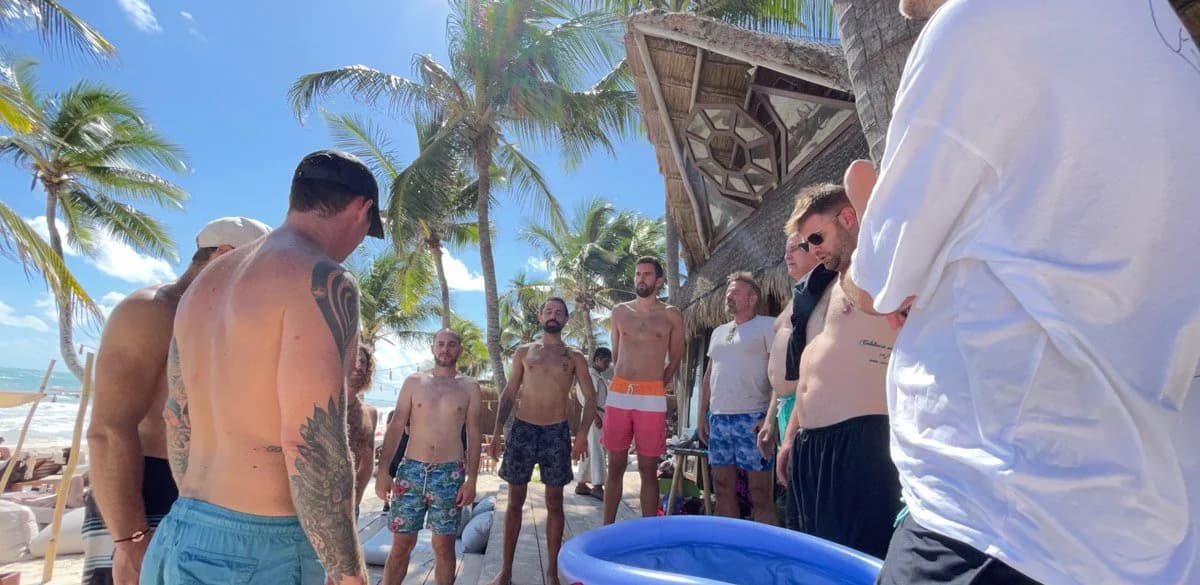
It pairs unusually well with cold immersion and breathwork, partly because the landscape makes the practices feel obvious rather than performative. Standing in cold water in Iceland does not need explaining.
Best for: nervous system work, awe, and creative or directional resets. Go if you respond to landscape more than to ceremony. Skip if you want warmth and ease.
6. Madeira, Portugal
Madeira is the one I keep coming back to. Cliffs dropping into the Atlantic, levada trails through laurel forest, mild all year, and a rhythm that slows people down without demanding it.
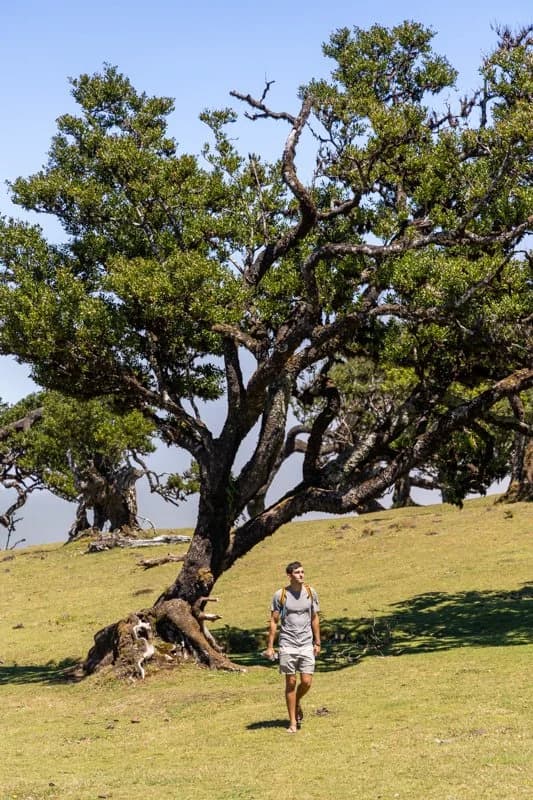
It is the gentlest option here and probably the best value in Europe. You get real physical challenge on the hikes, genuine quiet in the interior, and easy flights from most of Europe. I have been twice, once for a business mastermind retreat, once driving the island with my wife.
Best for: rest, clarity, and people who are depleted rather than stuck. Go if you want depth without severity. Skip if you want an established spiritual tradition.
7. The Azores
Further out into the Atlantic than Madeira, less developed, and considerably more remote. Volcanic craters, hot springs, hydrangea-lined roads, and very few people.
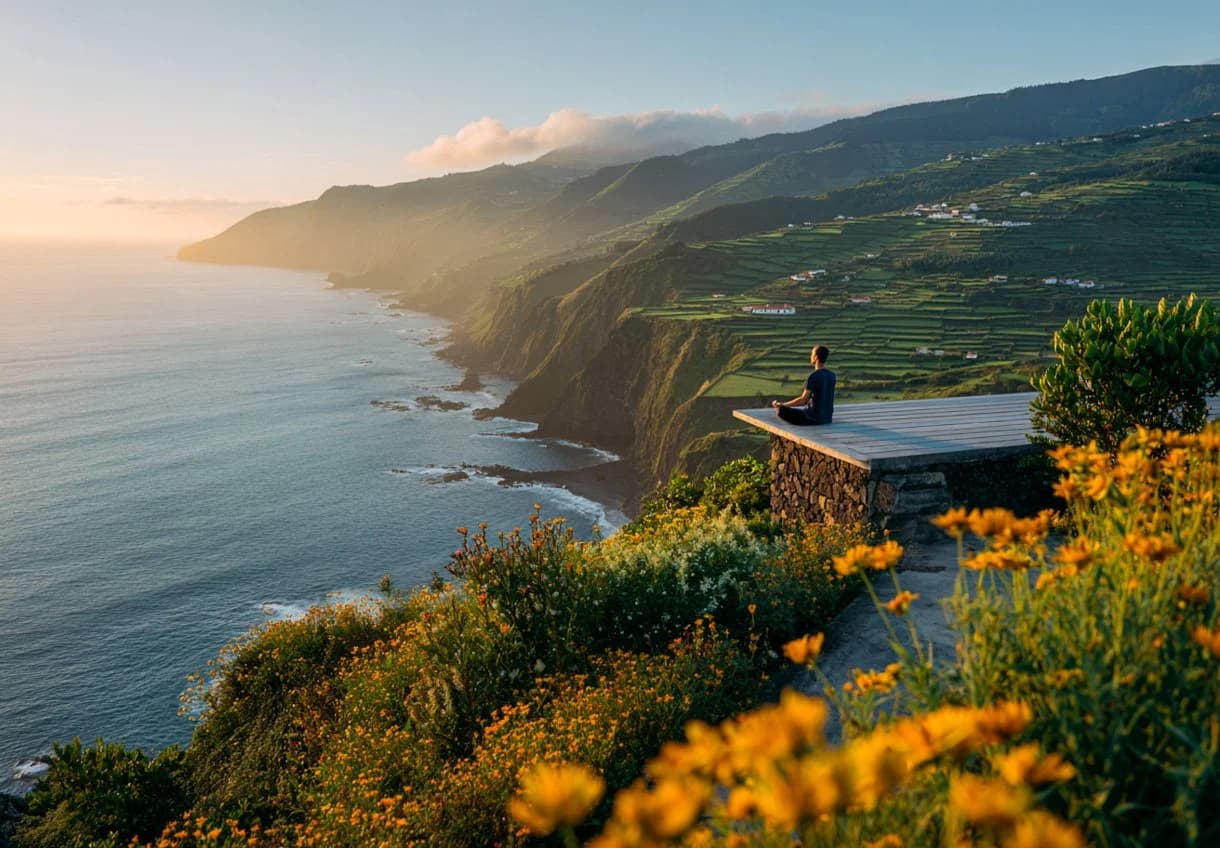
The remoteness is the feature. It is hard to stay half-connected to your normal life here, which is exactly what most people need and few people choose voluntarily.
Best for: disconnection, solitude, and long silence. Go if you genuinely want to be hard to reach. Skip if you need a schedule full of options.
8. The Swedish wilderness
This is the one I know best, because it is where we run the men's retreats. Forest, lake, fire, cold water, and long summer light.
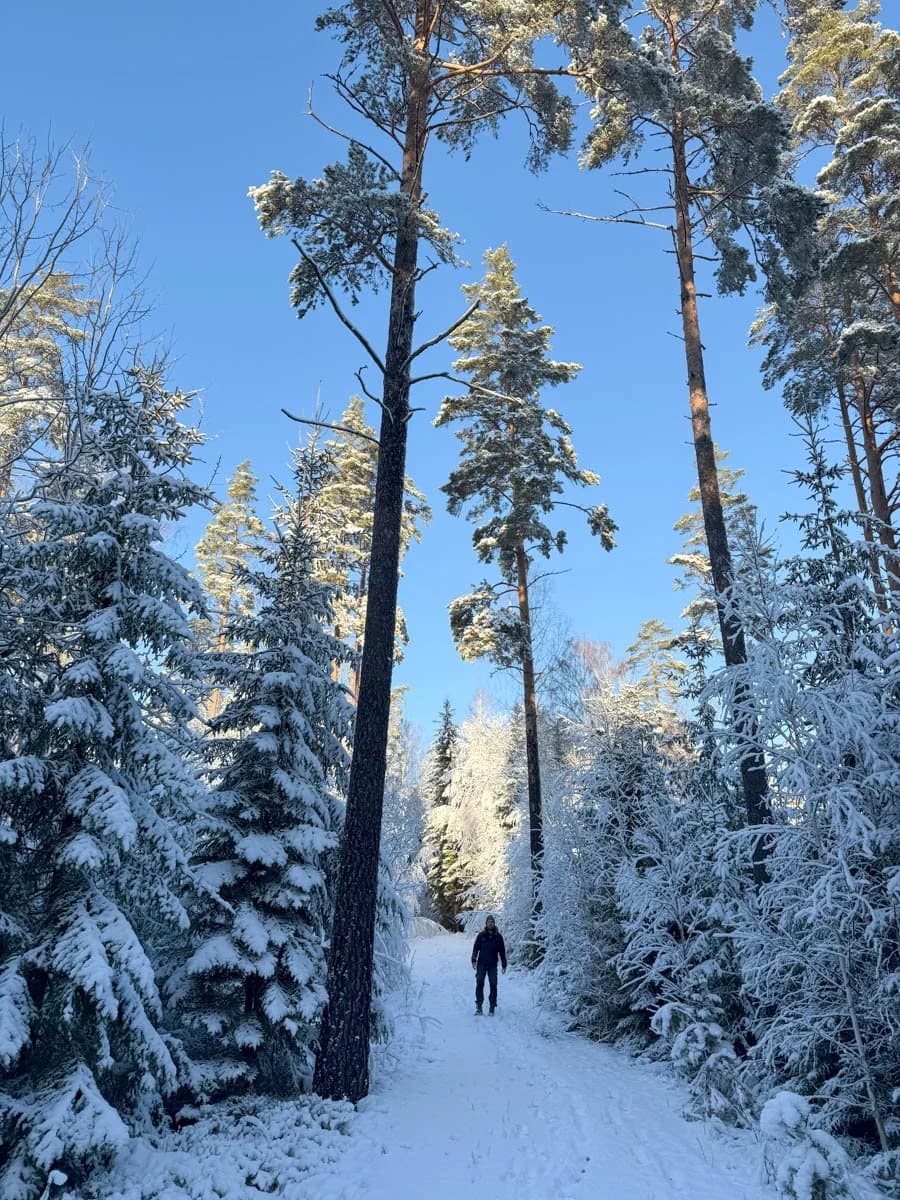
Nordic wilderness strips away performance faster than almost anywhere. There is no scene, no cafes, no one watching. Just cold, fire, silence, and other people who came to do the same work. It suits people who are suspicious of anything that feels precious.
Best for: men's work, self-reliance, and anyone allergic to the word "spiritual." Go if you want the work without the aesthetics. Skip if you want warmth and comfort.
If you want the broader list, including mountain and adventure-led destinations, I have written up twelve destinations for transformational retreats with what each one is genuinely good for.
What actually happens on one
Less than people imagine, and it lands harder than they expect.
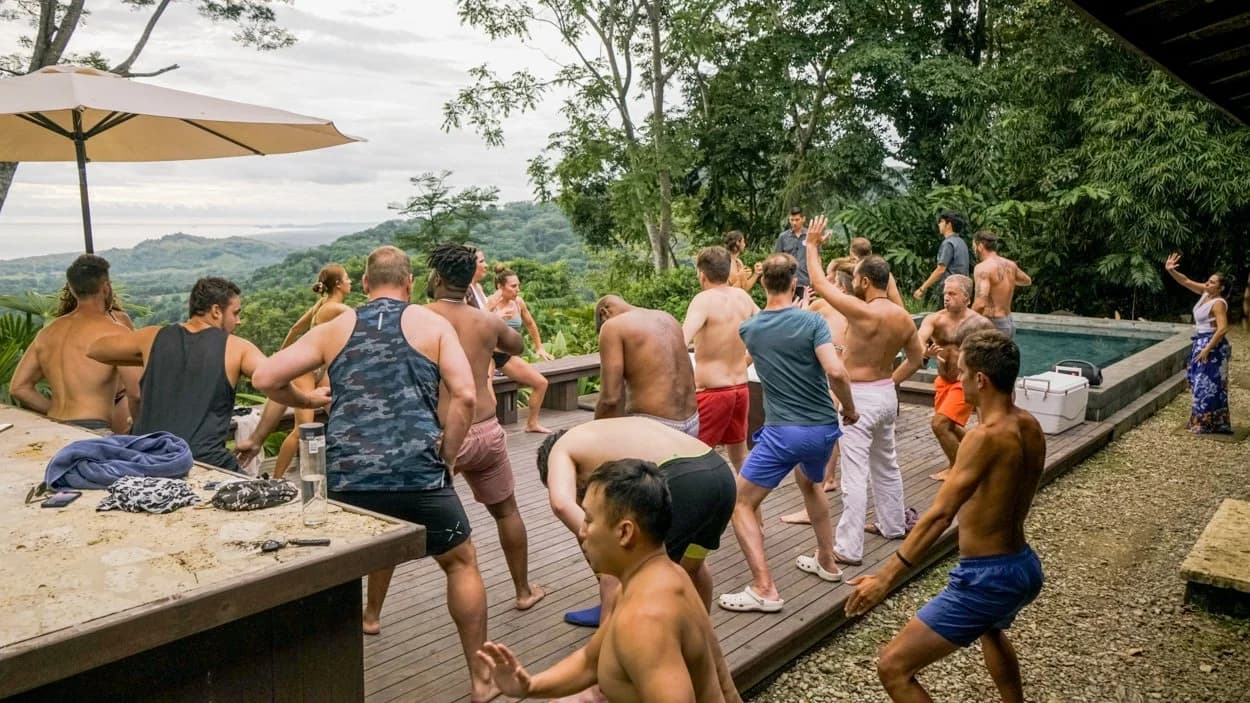
A typical day has movement or breathwork in the morning, one long block of deeper work, a real break in the middle of the day, something physical outdoors, and an evening circle. There is usually more silence than newcomers anticipate, and more unstructured time.
The arc is fairly consistent. Day one you are still wired and slightly performing. Day two something cracks, usually in the middle of an ordinary moment rather than during a session. Day three is the deep part. The last day should be about integration, working out what specifically changes when you get home.
The breakthroughs almost never happen where you expect. They happen on a walk, or during a break, or at three in the morning. Which is why a schedule with genuine space in it matters more than a schedule full of impressive activities.
Red flags worth walking away from
I have seen all of these, and they are the reason this space has the reputation it does.
- Guaranteed outcomes. Nobody can promise you a spiritual awakening on a fixed schedule. Anyone who does is selling.
- Guru positioning. A facilitator holds the room. A guru needs the room. The second one is dangerous, and the tell is usually how they respond to being questioned.
- Pressure to decide fast. Real scarcity is fifteen spots. Manufactured urgency is a sales tactic.
- Discouraging outside contact. Digital detoxes are normal and healthy. Being discouraged from talking to people outside the group is not.
- No group cap disclosed. If they will not tell you how many people, assume too many.
- No screening at all. If anyone with a credit card can join, the container is not being protected.
- No follow-up. If the relationship ends when the van leaves, most of what you paid for evaporates within a month.
The single best filter: ask who is facilitating and what they have personally been through. Not what certification they hold. If you cannot get a clear answer, that is your answer.
A note on plant medicine
A meaningful share of retreats marketed as spiritual are built around ayahuasca, psilocybin, or similar. That is a fundamentally different decision from the retreats I am describing here, with real medical, legal, and psychological considerations attached.
I do not run those and I am not the right person to advise on them. If you are considering one, treat it as a serious medical decision rather than a travel one: talk to a doctor about interactions, particularly with antidepressants, and do far more due diligence on the facilitator than you would for anything else on this list.
What I will say is that plenty of people reach for it looking for a shortcut through work they have not started. The retreats that changed things for me involved no substances at all.
How to choose
Match the place to the work, not to the photographs.
If you are depleted and need softening, go somewhere gentle: Madeira, Atitlán, the Azores. If you are avoiding something, go somewhere confronting: Sedona, the Swedish forest, high altitude. If you want tradition and lineage, go to Peru or Bali. If you respond to landscape more than to ceremony, go to Iceland.
Then check the same things you would check for any retreat: group size, who is facilitating, what a day actually looks like, and whether anyone follows up. I have written those out properly as five questions to ask before you book.
And be honest about which thing you need. If you are simply exhausted, a retreat is an expensive way to rest, and a vacation might genuinely serve you better.
Do you need to travel at all?
Strictly, no. Silence and attention are free and available on a Tuesday.
Practically, most people cannot access them at home. The reason travel helps is not that a lake in Guatemala is more spiritual than your living room. It is that you cannot check on work, the people around you have no history with you, and there is nothing to maintain. Distance buys permission.
If you can create that at home, do. Most of us cannot, which is why this format exists.
If you want help finding a retreat that actually fits, rather than the one with the best photographs, tell me where you are at. You can also look at the retreats I host and personally recommend.
Frequently asked questions
What is a spiritual retreat?
A spiritual retreat is a period of time away from normal life, usually a few days to a couple of weeks, structured around silence, reflection, and practice rather than sightseeing. The specific practices vary widely, from meditation and breathwork to ceremony and time alone in nature, but the common thread is deliberately removing input so you can hear yourself think.
Do I have to be religious to go on a spiritual retreat?
No. Plenty of spiritual retreats have no religious framework at all. The word describes the depth of the work rather than a belief system. If a specific tradition is central to a retreat, the host should say so clearly on the page, and if they do not, ask before you book.
What are the best countries for a spiritual journey?
Peru, Guatemala, Indonesia, India, Nepal, Japan, Iceland, and Portugal all have strong claims, for different reasons. Some hold living traditions and lineages, some offer landscapes that quiet the mind on their own. The right one depends on whether you are drawn to a practice, a place, or simply to silence.
How long should a spiritual retreat be?
Three days is enough to drop out of everyday mode and get one real insight. Seven to ten days is where deeper change tends to happen, because the first two or three days are mostly your nervous system unwinding. Longer silent retreats run two weeks or more and are a serious undertaking rather than a starting point.
Can I go on a spiritual retreat alone?
Yes, and most people do. Nearly everyone at a small retreat arrives on their own, which is part of why the connections form so fast. Going alone also removes the temptation to process everything through a familiar person rather than actually sitting with it.
What should I look out for before booking a spiritual retreat?
Group size, who is facilitating and what they have actually lived, whether the schedule has real space in it, and whether anyone follows up afterward. Walk away from guaranteed outcomes, pressure to commit quickly, discouragement of outside contact, and anyone positioning themselves as a guru rather than a facilitator.
Hear when 2027 dates open
I run a small number of retreats a year. I email when dates open or a spot frees up, and not otherwise.
No spam, and unsubscribe any time. See how your details are handled in the privacy policy.