Best Wellness Retreats in the World for 2027: The 6 Types and How to Pick
By Jon Miksis · · 10 min read
Most people booking a wellness retreat are not choosing between destinations. They are choosing between six quite different things that all share a name.
The category has grown fast enough to explain the confusion. The Global Wellness Institute's 2025 Global Wellness Economy Monitor puts the global wellness economy at $6.8 trillion in 2024, projected to grow 7.6% a year to nearly $9.8 trillion by 2029. Money at that scale attracts both serious practitioners and people who bought a domain last year, and from the outside the two look similar.
That is the expensive part. Someone who is genuinely exhausted books a transformational retreat and spends the week being asked hard questions when their body wanted sleep. Someone who is bored and stuck books a spa week and comes home rested and just as stuck. Both paid several thousand dollars for the wrong instrument.
I have attended 20+ transformational retreats and helped facilitate six of them, and I have made this mistake myself more than once. Where I have direct experience I say so: thermal and bathing, mostly in Iceland, which I have visited a dozen times; yoga and movement in Costa Rica and Bali; nervous system work in Sweden and Tulum; and the adventure end in the Alps and the White Mountains. I have never done a physician-led diagnostic programme or a supervised fasting retreat, so those two sections are researched rather than lived, and I have written them more carefully as a result.
Here is how the six types differ, where each is done best, and how to tell which one you need.
Wellness is not the same as transformational
Worth settling first, because the search results blur them constantly.
A wellness retreat works on the body. Sleep, stress load, movement, nutrition, recovery, sometimes clinical markers. The measure of success is physiological: you sleep better, your resting heart rate drops, the low-grade tension you had stopped noticing lifts.
A transformational retreat works on the direction of your life, usually through facilitated group work. The measure of success is that something changes when you get home.
Wellness restores you to your current life. Transformational questions whether you want it. If you are not sure which you need, retreat vs vacation covers the more basic version of the same question, and my guide to transformational retreat destinations covers the other half of this map.
The rest of this piece is about the wellness side.
1. Thermal and bathing
The oldest form of this and still one of the most effective, which surprises people who expect wellness to involve effort.
Heat, cold, mineral water, and repetition. There is reasonable evidence that heat and cold exposure affect circulation, sleep quality and perceived stress, though the research is younger and messier than the wellness industry implies. What is not in doubt is that cultures which built civic infrastructure around bathing did so because it made people feel better, for centuries, before anyone was measuring it. It is also the most accessible type on this list, because in most of these places you can simply go, rather than book a programme.
Where it is done best. Iceland, where geothermal bathing is ordinary daily life rather than a luxury and the Blue Lagoon is only the most famous of dozens. Portugal, which has thermal spa towns most visitors never hear about. Hungary, where Budapest's bath houses are civic institutions. Japan, where onsen culture has a depth and etiquette worth learning before you go.
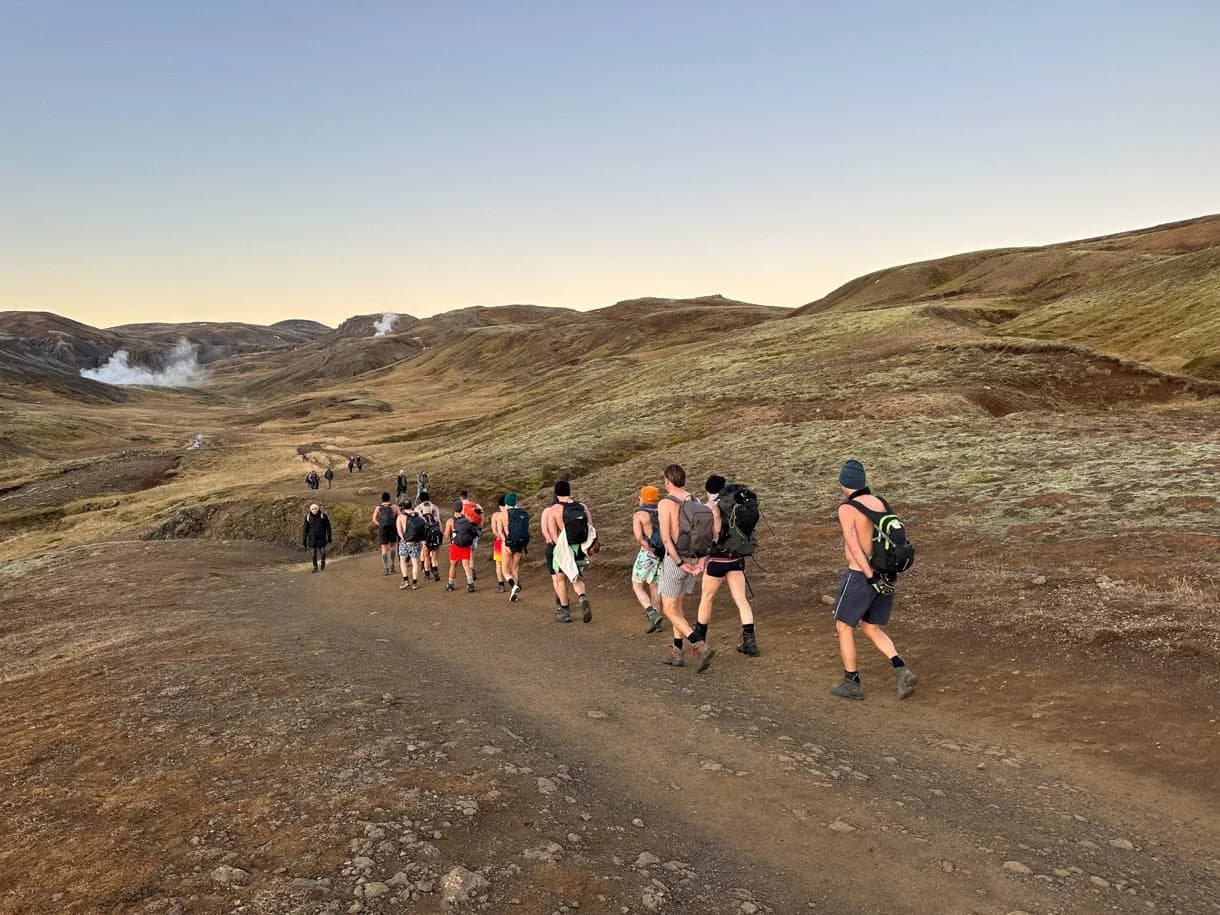
Best for physical recovery, sleep, and anyone who finds structured programmes exhausting. Length: works as a long weekend, unusually. Skip if you want guidance and structure, because mostly there is none.
2. Yoga and movement
The largest category by a wide margin, and the one most search results actually point at.
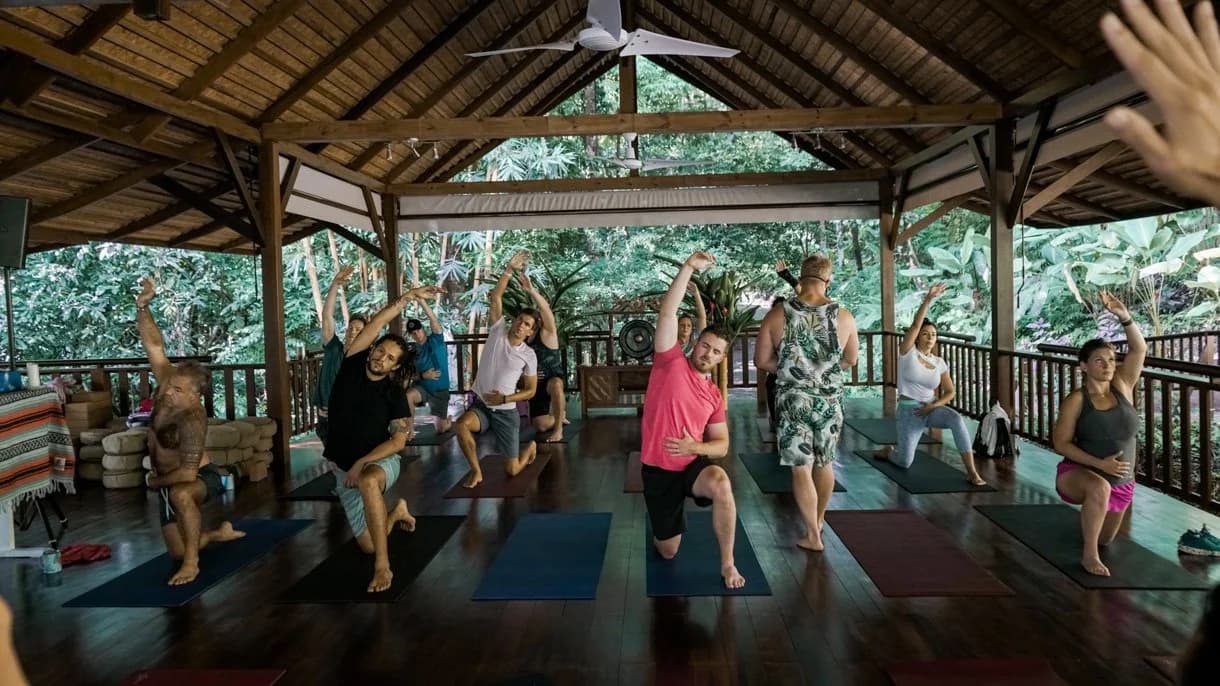
Daily practice, usually twice a day, plus good food and a group. The quality range here is enormous, from serious lineage-based instruction to a villa week with a class attached. The differentiator is almost always the teacher rather than the setting.
Where it is done best. Costa Rica's Pacific coast, around Nosara and Santa Teresa, which has built an entire ecosystem around this. Bali, particularly outside central Ubud, for range and easy logistics. Portugal and Spain for the same thing closer to Europe at lower cost.
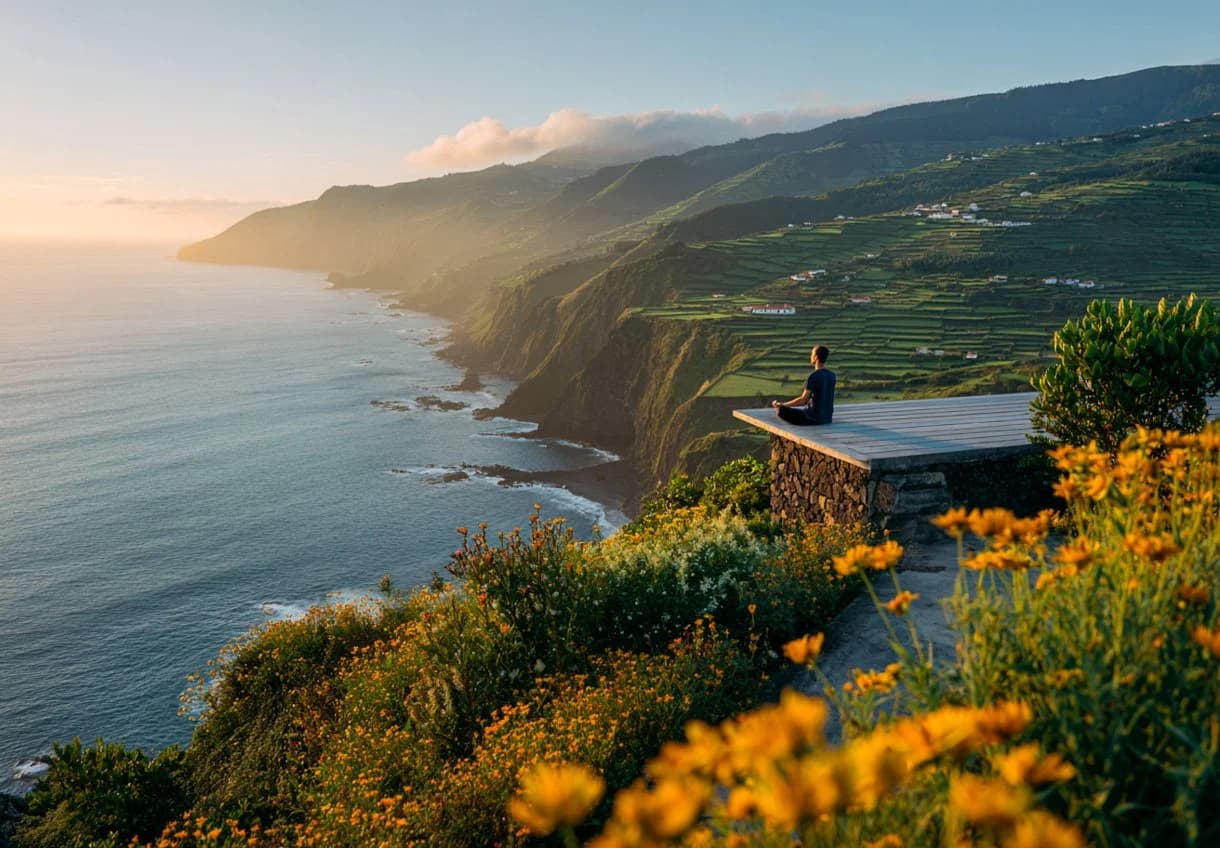
Best for re-establishing a movement habit, and first-time retreat-goers. Length: five to seven days. Skip if you dislike group classes, because that is most of the schedule.
3. Detox, fasting and nutrition
The category that most needs scepticism, and where the good and the nonsense look similar from the outside.
Legitimate versions are medically supervised, conservative about claims, and honest that the effects are mostly about removing alcohol, sugar, and irregular eating for a week. Illegitimate versions sell colonics and "toxin removal" and should be avoided. The tell is whether anyone qualified is monitoring you and whether the marketing claims things a physician would not.
Be careful here if you have any history of disordered eating. Restriction framed as wellness is still restriction.
Best for resetting eating patterns and alcohol habits. Length: seven to ten days. Skip if the programme cannot tell you who supervises it, or makes claims about curing anything.
4. Sleep and nervous system
The newest category and, for most high performers, the one that would actually help.
These focus on sleep architecture, circadian rhythm, breathwork, cold and heat exposure, and downregulation. Less spiritual than it sounds and increasingly evidence-informed. The reason it works is simple: most people arriving at a retreat are not ill, they are chronically under-recovered, and everything else improves once that does.
Where it is done best. Nordic and mountain settings, where darkness, quiet, cold water and genuinely clean air do half the work. The Swedish forest, the Alps, and rural Iceland all suit this.
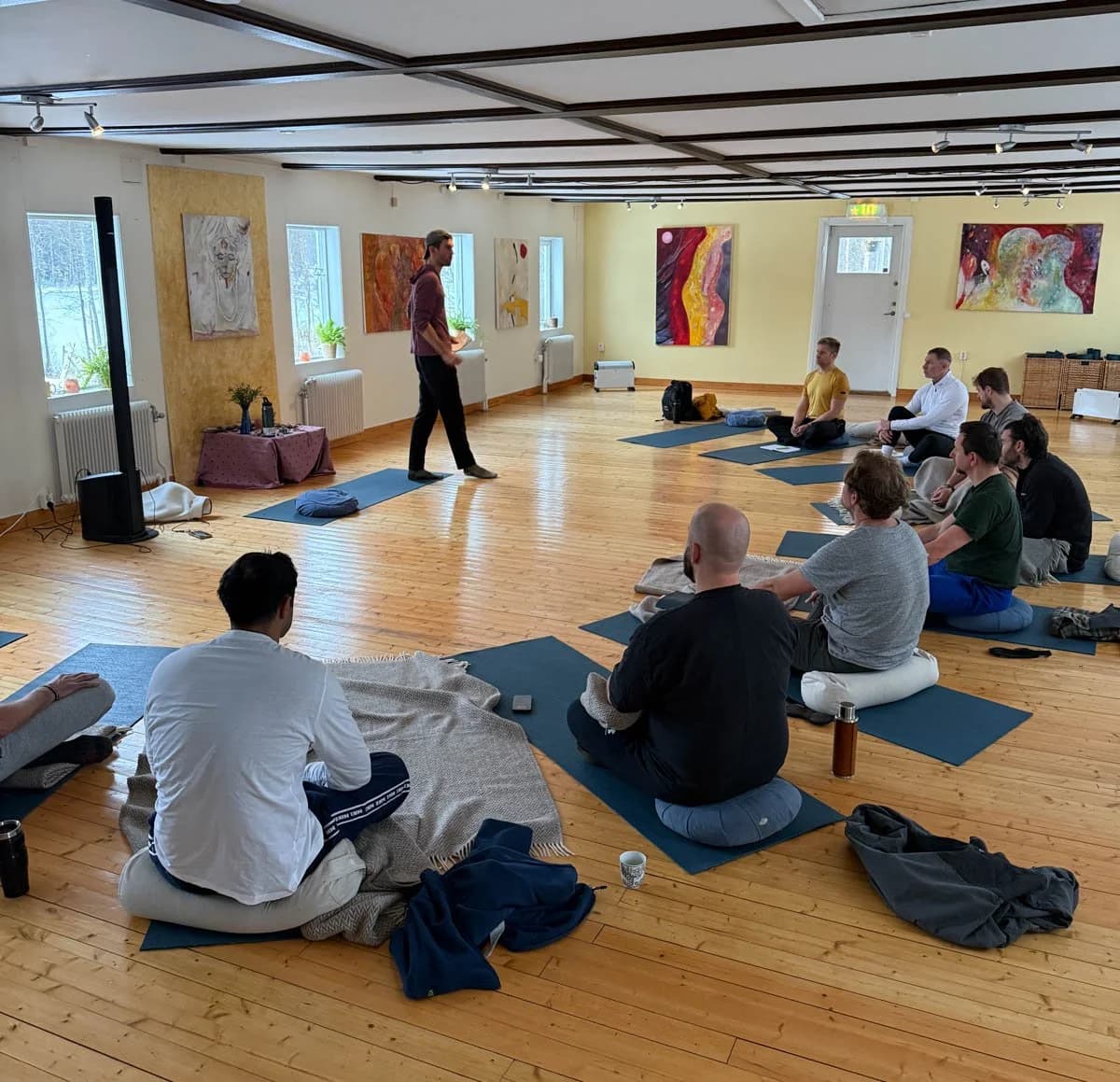
Best for functional burnout, poor sleep, and anyone permanently switched on. Length: seven days minimum, because the first three are just sleep debt clearing. Skip if you want an itinerary full of activities.
5. Medical and diagnostic
The most expensive category and the most concrete. Physician-led, with real testing: bloodwork, body composition, cardiovascular and metabolic markers, sometimes sleep studies. You leave with data and a protocol rather than a feeling.
This is where the established European clinics sit, and the price reflects staffing rather than luxury. Worth it for a specific reason: a health scare, a family history, a number you want to move. Poor value if you are simply tired.
Where it is done best. Switzerland, Austria and northern Italy, where the clinic tradition is oldest and the established names have the longest track records. Check what medical credentials a specific programme actually holds rather than trusting the country.
Best for people with a specific clinical question. Length: seven to fourteen days. Skip if you are looking for rest, because these schedules are busy.
6. Fitness and adventure
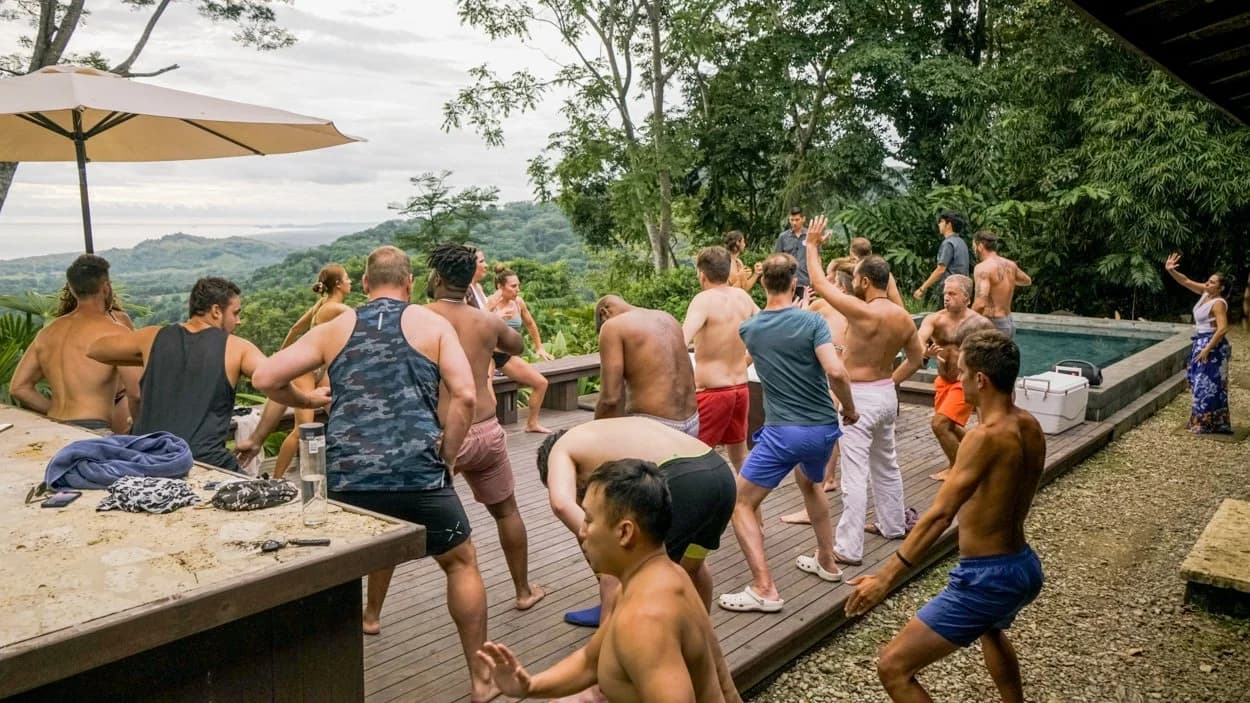
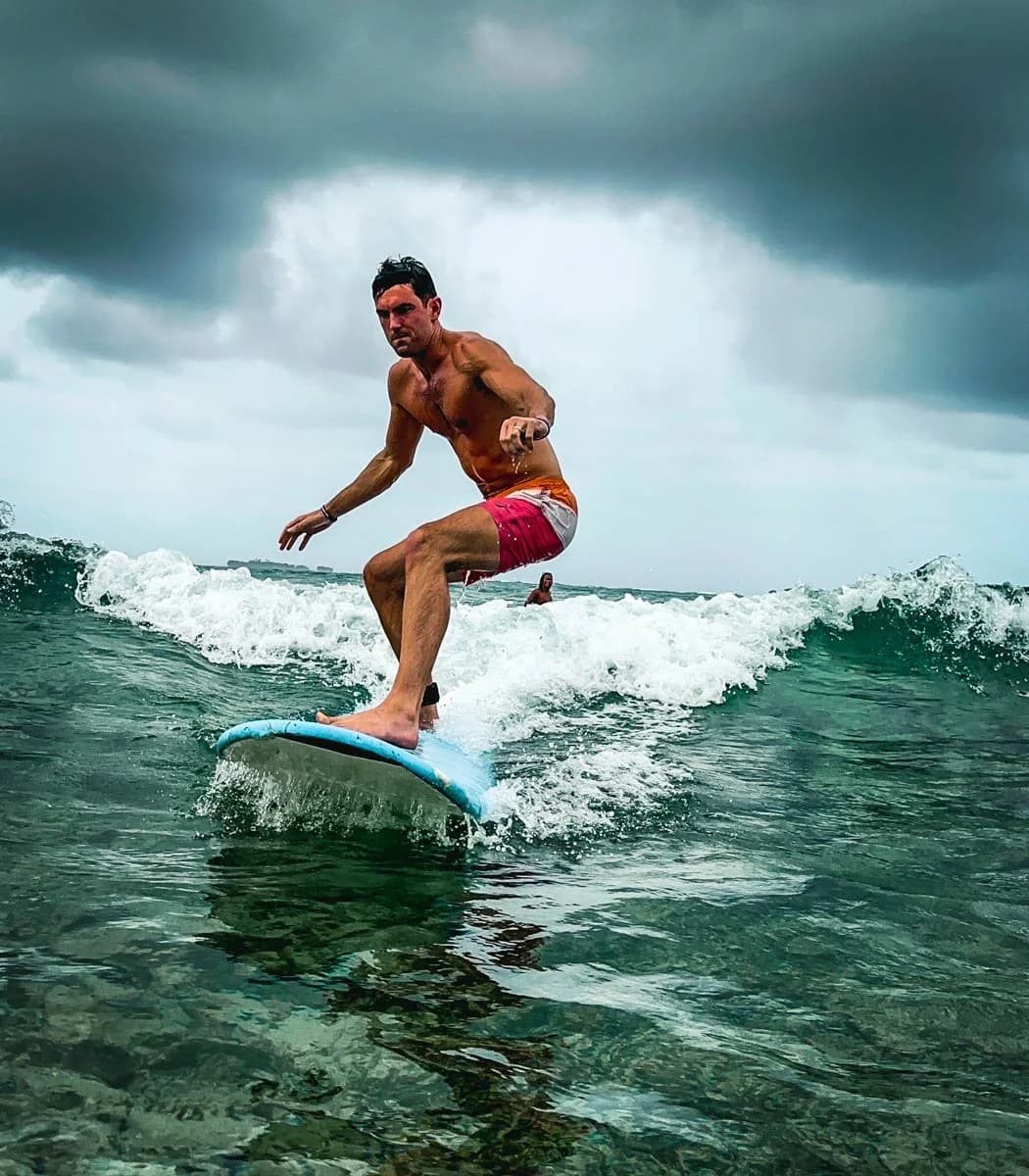
Effort as the mechanism. Hiking, altitude, surf, strength work, long days outdoors. The wellness comes from doing hard physical things in good places with other people, and from sleeping properly afterward because you earned it.
This suits people who are suspicious of the word wellness, and who would rather be tired than talked at. It is also the type most likely to produce an ongoing habit, because the activity exists at home too.
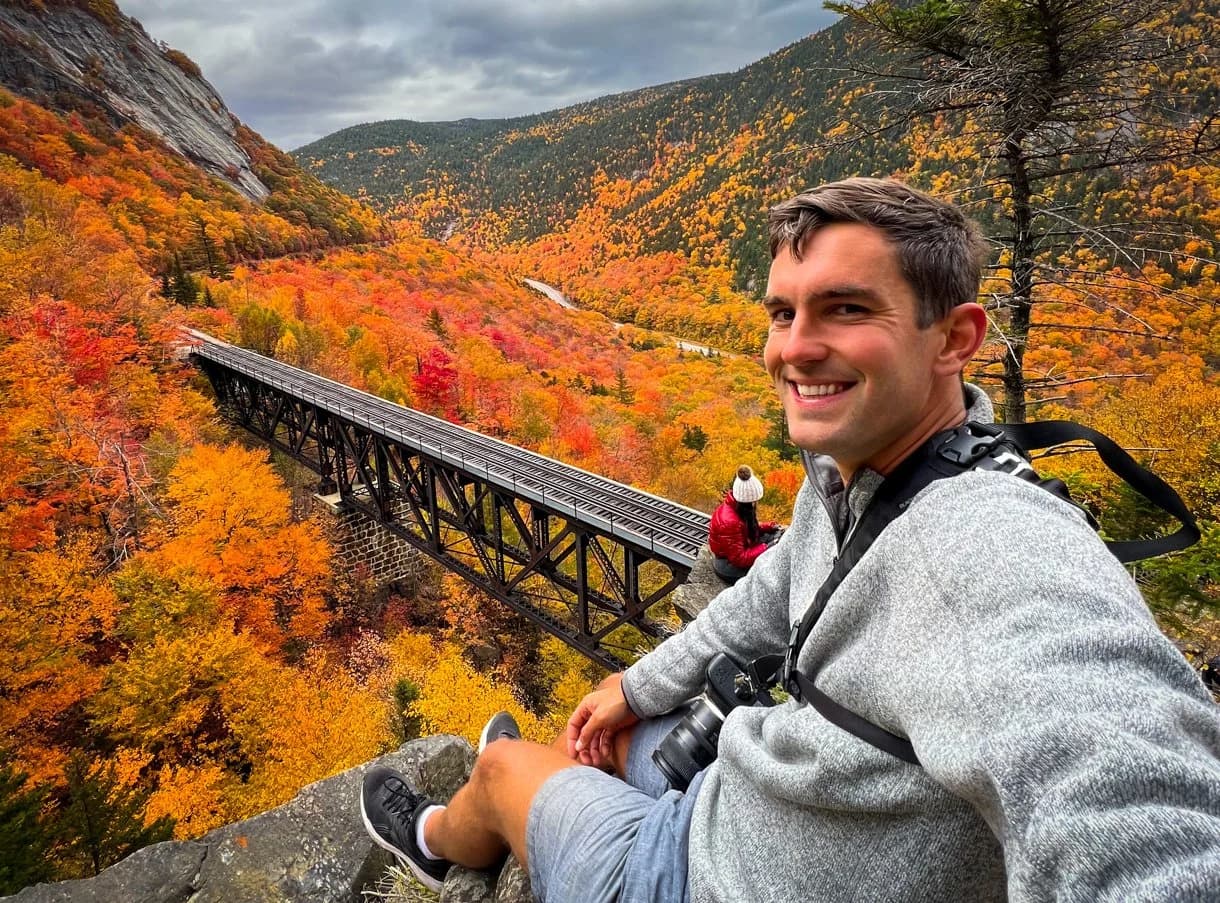
Where it is done best. The Alps and the Dolomites in summer. The White Mountains and New England in autumn. Costa Rica and Portugal for surf.
Best for people who need to move rather than rest. Length: four to seven days. Skip if you are genuinely depleted, because this will deplete you further before it helps.
Picking the type that matches what is actually wrong
Be honest about the symptom rather than the aspiration.
- You cannot sleep and you are wired all the time. Type 4, then type 1. Not yoga, not fitness.
- You feel physically stiff, weak, and out of your body. Type 2 or 6.
- Your eating and drinking have drifted and you want a hard reset. Type 3, supervised.
- You have a specific health worry or a number you want to move. Type 5. Nothing else substitutes.
- You are exhausted and you want to be left alone. Type 1. Book flights, not a programme.
- You are fine physically but stuck in your life. None of these. That is a transformational retreat, and it is a different purchase.
The most common mismatch I see is depleted people booking type 6 because it sounds productive, then coming home more tired than they left.
What these cost
Broadly, and before flights. As with the full cost breakdown, these are general market ranges I have observed while researching and attending retreats, not quotes and not my prices. Every operator builds its own numbers, and the medical end varies most.
| Type | Typical range for a week |
|---|---|
| Thermal and bathing (independent) | $800 to $2,500 |
| Yoga and movement | $1,500 to $4,000 |
| Detox and nutrition | $2,500 to $6,000 |
| Sleep and nervous system | $3,000 to $7,000 |
| Fitness and adventure | $2,000 to $5,000 |
| Medical and diagnostic | $10,000 and up |
Thermal is the outlier because you can simply travel there and use public infrastructure rather than buying a programme. Medical is the other outlier because you are paying for physicians and lab work.
The full breakdown of what sits inside a retreat price, and what is never included, is in what a retreat really costs.
When to book for 2027
Now, if you are targeting next summer.
Small-group programmes in popular regions fill six to nine months out, and peak-season venues in the Alps and the Mediterranean go earlier than that. For a specific week between June and September 2027, book between now and roughly February. Autumn and winter dates in the southern hemisphere and the tropics have shorter lead times.
One practical note on timing that has nothing to do with availability: go when you can actually protect the week afterward. A retreat followed immediately by a heavy work period gives back most of what it produced.
Red flags
- Claims a physician would not make. Particularly in the detox category. Toxin language is the clearest tell.
- No named teacher or practitioner. In yoga and movement, the teacher is the product.
- No group cap disclosed. Twelve or under for anything with instruction.
- Wellness aesthetics with no method. If the schedule is a spa menu and the marketing is photography, you are buying a hotel stay at a premium.
- Restriction framed as discipline. Fasting programmes that treat hunger as virtue rather than a monitored intervention.
- No follow-up. Less critical than on a transformational retreat, but the habit rarely survives without it.
The broader vetting checklist, which applies to all six types, is in five questions to ask before you book.
The honest summary
Most people do not need the most intense option available. They need a week of proper sleep, some movement, food they did not have to think about, and no notifications.
Type 1 or type 4 delivers that for most of the people who ask me, and both are cheaper than the categories that market harder. Start there unless you have a specific reason not to.
If you want help working out which of these fits your situation, tell me where you are at. And if the honest answer turns out to be that your body is fine and your life is the problem, that is a different kind of trip, and I will say so.
Frequently asked questions
What is the difference between a wellness retreat and a transformational retreat?
A wellness retreat works on the body: sleep, stress load, movement, nutrition, and recovery. A transformational retreat works on the direction of your life through facilitated group work. Wellness retreats generally leave you restored and living the same life. Transformational retreats aim to change something about that life. Both are legitimate, and confusing them is the most common expensive mistake in this space.
What are the best wellness retreats in the world?
There is no single best, because wellness retreats split into at least six different types. The strongest destinations depend on which you need: Iceland, Portugal, Hungary and Japan for thermal and bathing; Costa Rica and Bali for yoga and movement; the Alps for medical and diagnostic programmes; and Nordic or mountain settings for sleep and nervous system resets.
How much does a wellness retreat cost?
Yoga and movement retreats typically run roughly $1,500 to $4,000 for a week. Thermal and bathing trips can be done for far less if you book independently rather than through a programme. Medical and diagnostic retreats at established clinics run considerably higher, often $10,000 and up for a week, because you are paying for physicians and testing rather than facilitation.
When should I book a wellness retreat for 2027?
Autumn is the right window for the following summer. Small-group programmes in popular regions fill six to nine months ahead, and peak-season venues in the Alps and Mediterranean go earlier still. If you are targeting a specific week in June to September 2027, book between now and roughly February.
How long does a wellness retreat need to be?
Five to seven days for anything with a physiological goal. The first two or three days are mostly your nervous system unwinding and your sleep debt clearing, so a long weekend rarely produces a measurable change. Thermal and bathing trips are the exception and work well as short breaks.
Can I go on a wellness retreat alone?
Yes, and it is the norm. Most people at a small wellness retreat arrive on their own. Solo travel also removes the social scheduling that quietly undermines the point, which is that you are there to rest rather than to entertain anyone.
Hear when 2027 dates open
I run a small number of retreats a year. I email when dates open or a spot frees up, and not otherwise.
No spam, and unsubscribe any time. See how your details are handled in the privacy policy.