Men's Retreats in the US: How to Find One Near You That's Actually Worth It
By Jon Miksis · · 10 min read
Search "men's retreat near me" and you get a strange mix of results: military-style boot camps, church weekends, five-figure masterminds in Aspen, and a lot of pages that will not tell you what actually happens or what it costs.
The problem is that "men's retreat" describes at least six genuinely different experiences. Picking the wrong one is not a small mistake. A man who needs a circle and some honest conversation will hate a boot camp, and a man who wants physical challenge will be miserable in a room talking about feelings for three days.
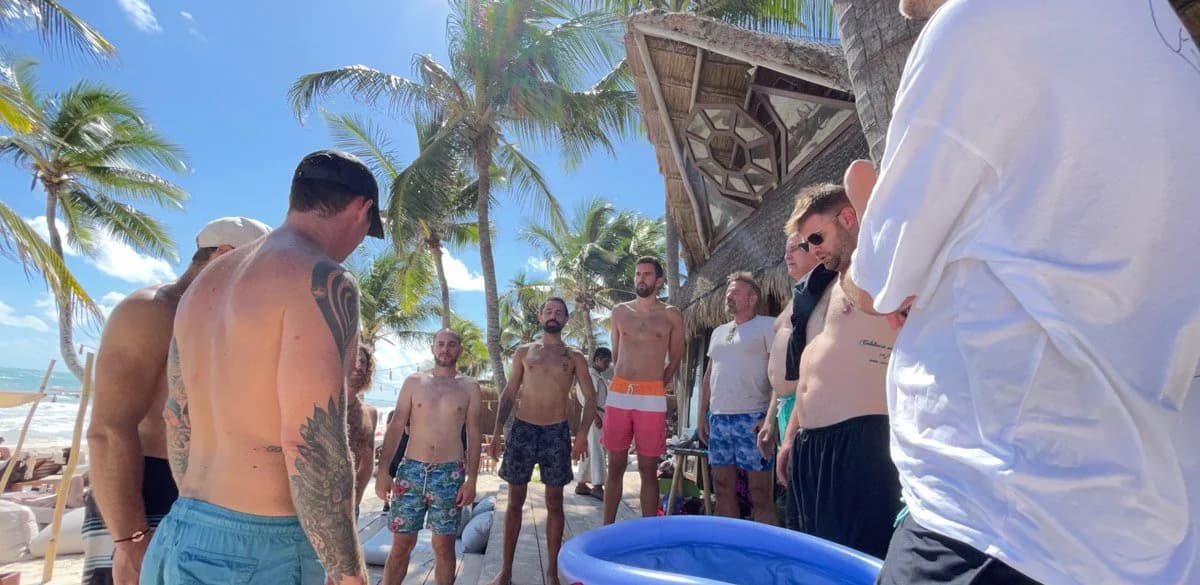
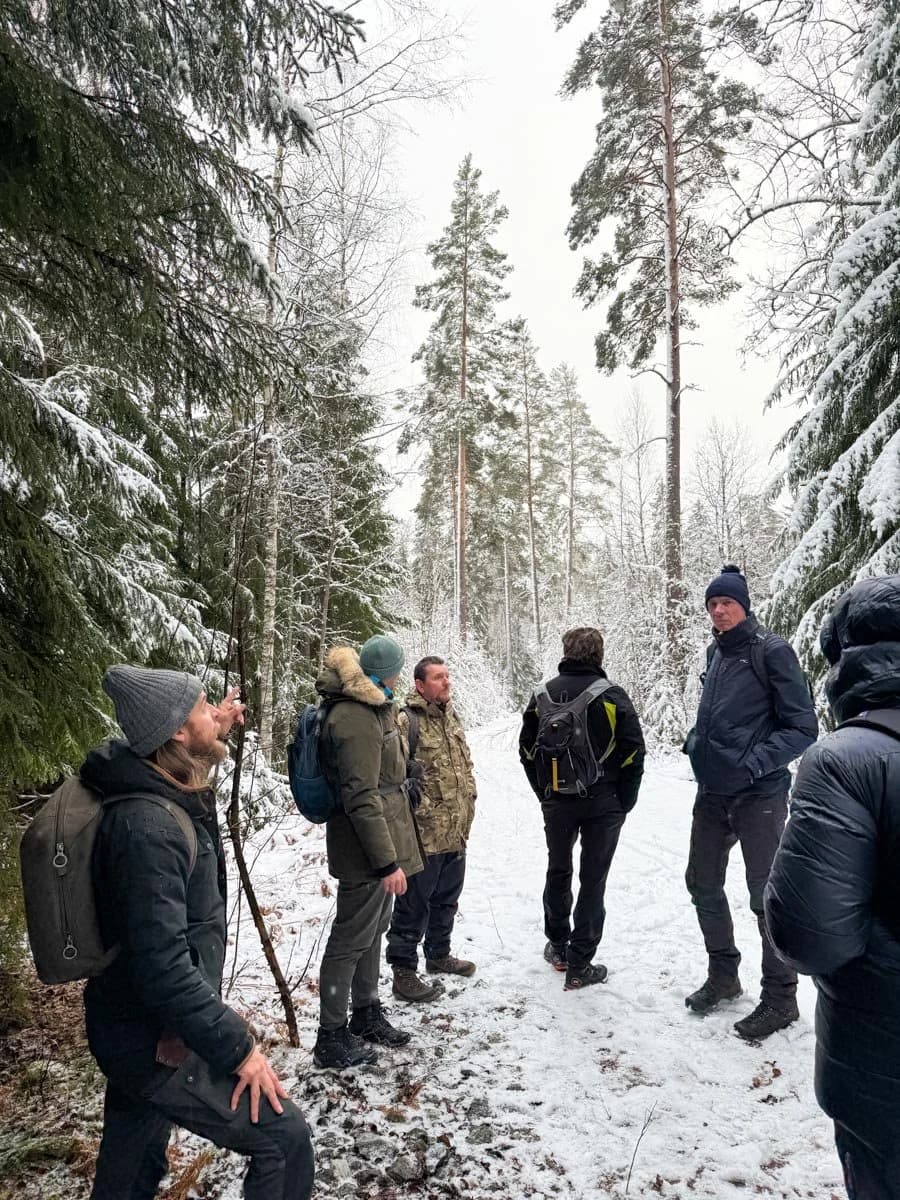
I have attended men's retreats as a participant, in Tulum and elsewhere, and I now help facilitate them, primarily in the Swedish wilderness. This is how I would work out what to look for if I were starting from scratch in the US.
If you want the broader picture of what this work is and why it has grown so fast, start with what men's retreats really are.
Start with the format, not the map
"Near me" is the wrong first filter, and it is why so many men end up somewhere that does not fit.
The right question is what you actually want to happen. Distance is a solvable problem: most men end up driving three to five hours or taking a short flight, and almost none of them regret it. Booking the wrong format because it was ninety minutes away is a much more expensive mistake than a plane ticket.
So: what are you actually going for?
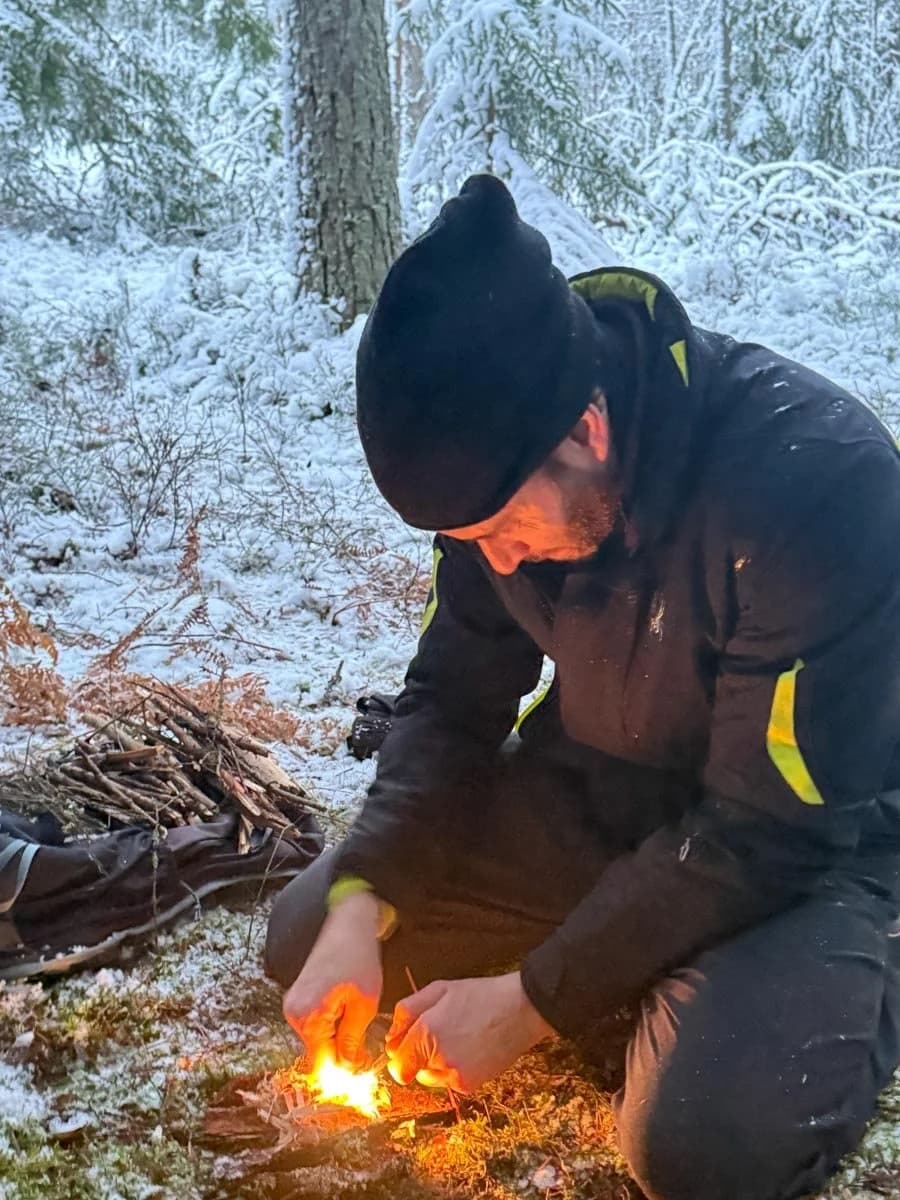
Wilderness and challenge. Fire, cold water, physical difficulty, time alone outdoors, minimal comfort. Strips away performance faster than anything else. Good if you are suspicious of anything that feels precious.
Men's work and circle-based. Small group, facilitated conversation, breathwork, honest reflection. Less physically demanding, more emotionally demanding. This is what most people mean by "men's work."
Faith-based. A large and long-established category in the US, usually church-organised, often very affordable, built around a specific tradition. Explicitly religious, and normally clear about it.
Business and leadership. Founders and executives, mixing personal work with strategy and peer accountability. Higher price point, often ongoing rather than one-off. I have written about this separately in men's retreats for entrepreneurs.
Adventure-led. Built around an activity, climbing, backcountry skiing, long-distance hiking, with reflection woven through. Good entry point for men who would never sign up for a circle.
Recovery-adjacent. Structured around sobriety or specific recovery work. Important to be honest with yourself about whether this is the category you need, and to work with people qualified for it.
Most good retreats blend two or three of these. The ones that try to be all six are usually shallow.
1. The Southwest: Arizona, Utah, New Mexico
The densest concentration of this work in the country, and the most confronting landscape for it.
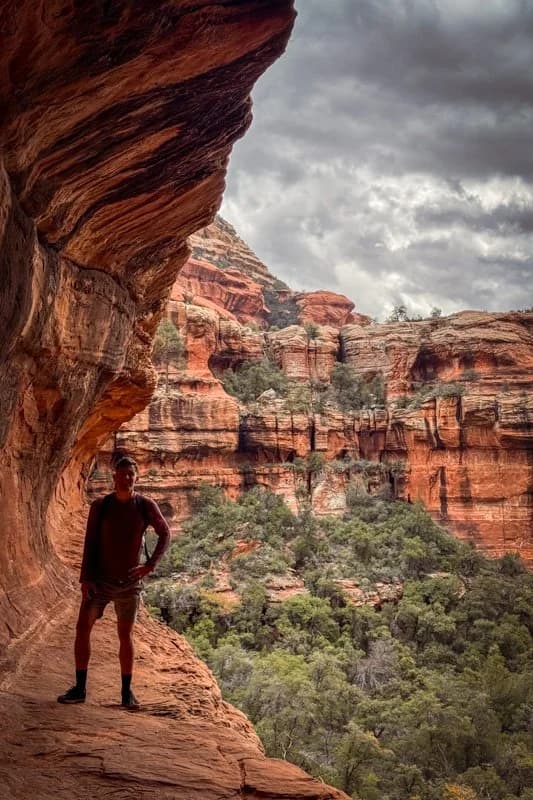
Sedona is the obvious hub, and it is genuinely worth the reputation once you get past the gift shops. Red rock, hard light, and desert silence do not soothe you. They strip you down and leave you with your own company, which for a lot of men is exactly the thing being avoided. I have hiked and worked there and it does something specific that greener landscapes do not.
Southern Utah and northern New Mexico offer the same quality with fewer people. Flagstaff and the high desert around it give you altitude and pine forest as an alternative to red rock.
Best for: silence, vision work, and men who are avoiding something. Season: spring and fall. Summer in the low desert is genuinely dangerous. Access: Phoenix is easy for most of the country.
2. New England and the White Mountains
This is my home region, and where we run the New England retreat each September.
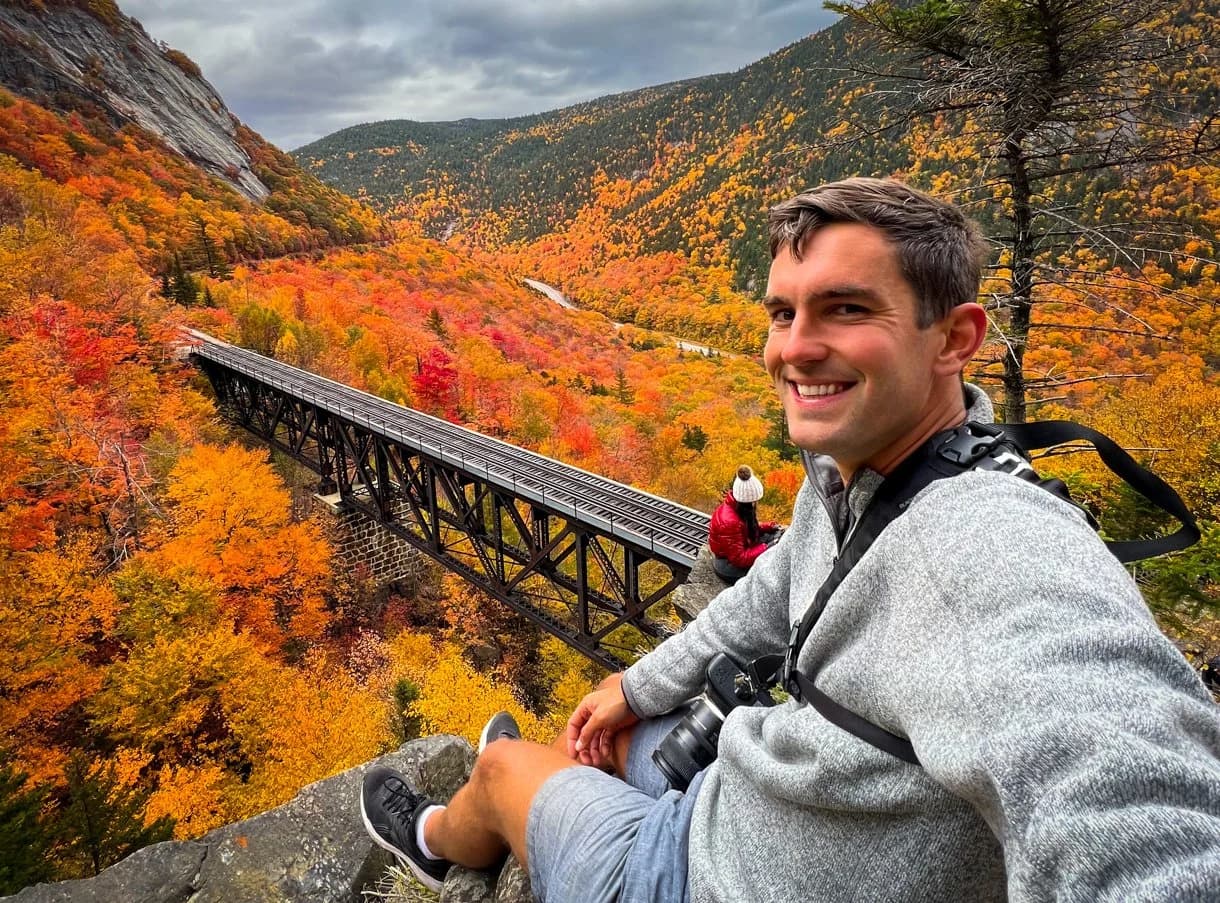
The White Mountains give you real terrain without a wilderness expedition: proper hiking, cold rivers, and enough remoteness that phones stop mattering, all within a few hours of Boston. The fall foliage window is genuinely spectacular and it books out early.
New England men's retreats tend to lean practical rather than mystical. Hiking, cold water, sauna, honest conversation, and a fireplace. It suits men who want the work without the vocabulary.
Best for: first-timers, East Coast access, and anyone allergic to woo. Season: September and October are unbeatable. Access: Boston Logan, or Portland Maine for the northern White Mountains.
3. The Rockies: Colorado, Montana, Wyoming
Big country, high altitude, and a strong existing culture of this work, particularly around Boulder and the Front Range.
Colorado has the deepest bench of experienced facilitators outside California, and a real range of formats from gentle to severe. Montana and Wyoming are wilder, more remote, and better suited to genuine wilderness formats where the point is that help is a long way away.
Altitude is a real factor. If a retreat sits above 8,000 feet, expect to feel it for the first two days, and expect that to be part of the design rather than an inconvenience.
Best for: wilderness formats, physical challenge, and men who want scale. Season: summer and early fall. Access: Denver is straightforward, Montana less so.
4. The Pacific Northwest
Old-growth forest, cold water, grey skies, and a quality of quiet that is quite different from the desert.
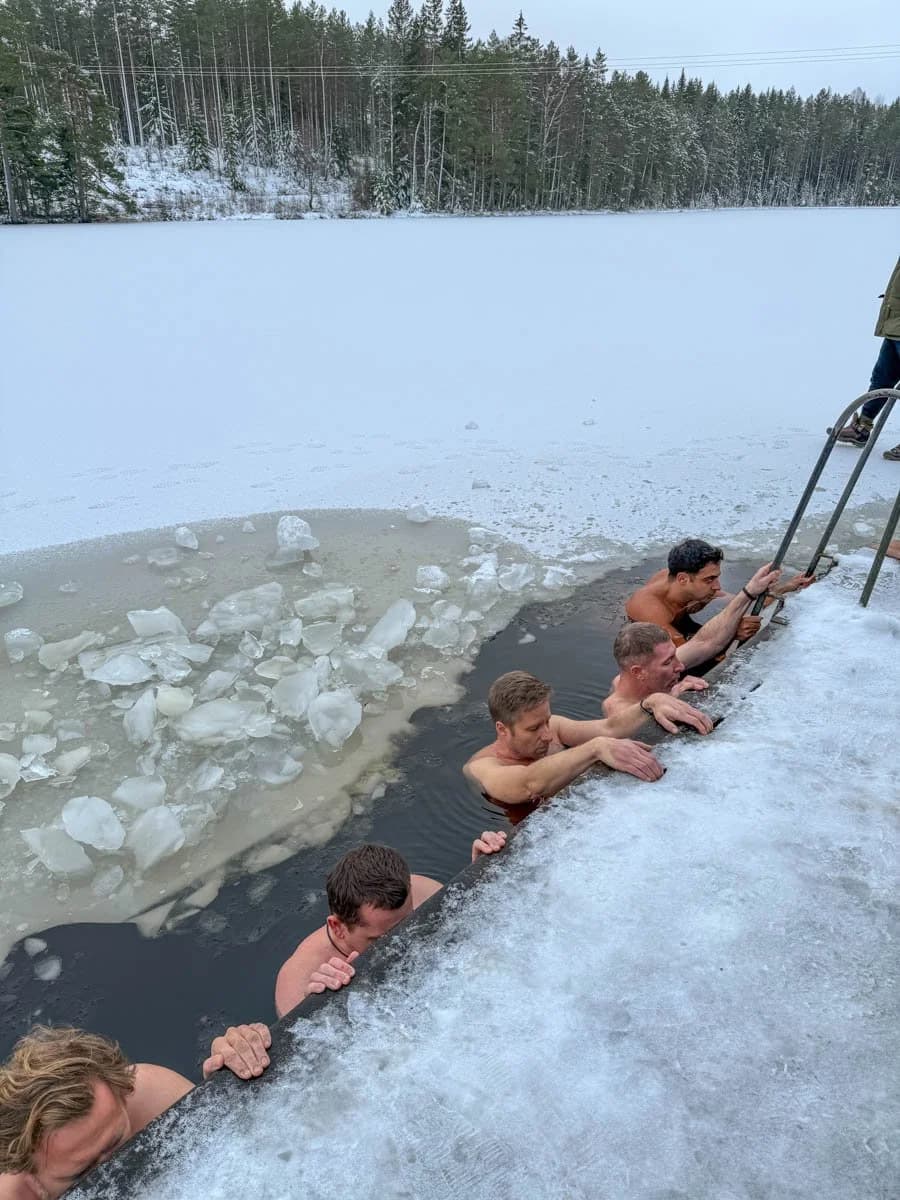
The Cascades and the Olympic Peninsula are the strongest settings, and the region's culture around cold immersion and breathwork is well established. It suits introspective work more than confrontational work. The rain is not a bug. Sitting outside in the rain when you would rather not is doing something.
Best for: nervous system work, introspection, and cold immersion. Season: late spring through early fall. Access: Seattle or Portland.
5. California
The widest range in the country, and the widest quality range with it.
Northern California, particularly the Sierra foothills and the coast north of San Francisco, has a long lineage in this work going back decades. Big Sur and the Central Coast are their own thing. Southern California and the desert around Joshua Tree run more retreats than anywhere else in the state.
Because there is so much of it, discernment matters more here than anywhere. The best facilitators in the country work in California, and so do a lot of people with a weekend certification and a good website. Vet harder.
Best for: range, availability, and finding a very specific niche. Season: year-round, depending on where in the state. Access: easy from everywhere.
6. The Blue Ridge and Appalachia
Softer mountains, deep forest, and the strongest concentration of faith-based men's retreats in the country alongside a growing secular scene.
The southern Appalachians, western North Carolina, north Georgia, east Tennessee, are quietly one of the best-value regions for this. Real terrain, low costs, short drives from a large chunk of the US population, and a genuine sense of remoteness once you are twenty minutes off the highway.
Best for: value, accessibility from the Southeast, and faith-based formats. Season: spring and fall. Access: Asheville, Knoxville, Atlanta.
7. The Northwoods and Great Lakes
Northern Minnesota, Wisconsin, and Michigan's Upper Peninsula. Lakes, pine, canoes, and a genuinely Nordic feel.
This is the closest thing in the US to the Swedish wilderness where we run our men's retreats, and the format translates well: fire, cold lake, silence, long light in summer. The Boundary Waters in particular offers a level of remoteness that is hard to find elsewhere in the lower 48.
Best for: wilderness formats, canoe and portage trips, Nordic-style work. Season: June through September. Access: Minneapolis or Duluth.
8. Texas Hill Country and the South
An under-appreciated region with a large and growing scene, particularly around Austin and the Hill Country.
The landscape is gentler than the mountain regions, which suits circle-based and business-oriented formats more than wilderness ones. Texas also has a strong faith-based retreat tradition and a fast-growing secular men's work scene, and the two rarely overlap.
Best for: circle-based work, business formats, and winter dates when the mountains are closed. Season: fall through spring. Summer is brutal. Access: Austin, Dallas, Houston.
What actually happens
Less shouting than the marketing suggests, and more silence than most men expect.
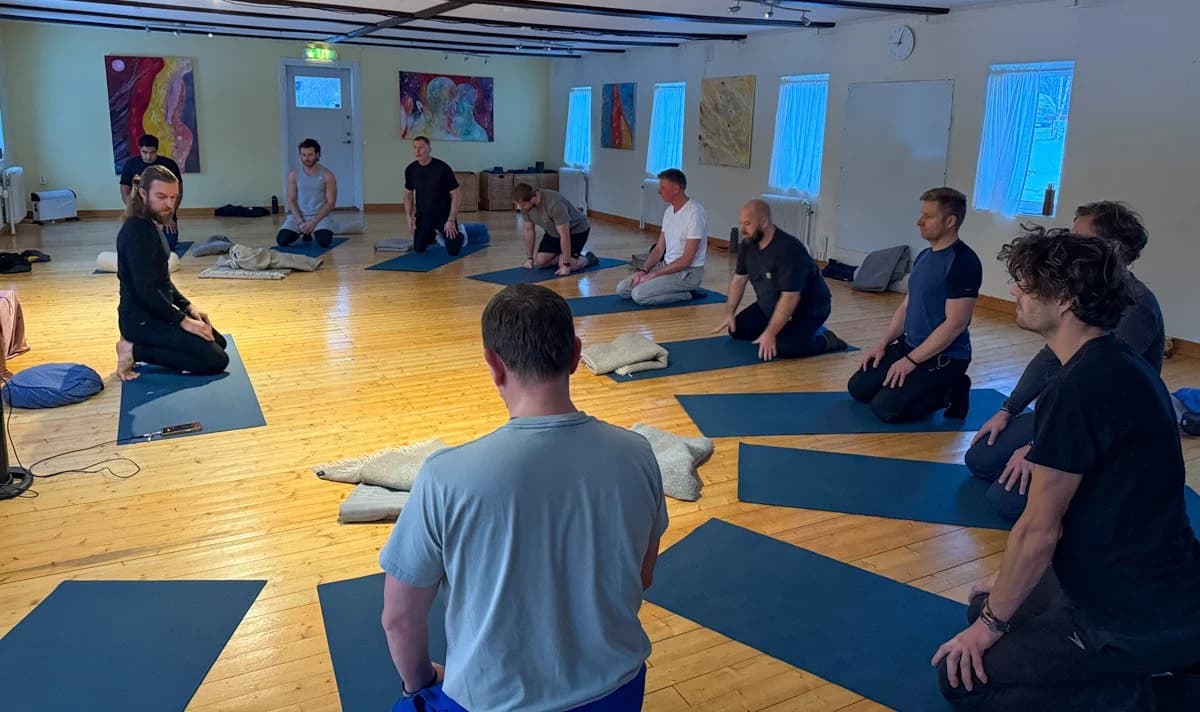
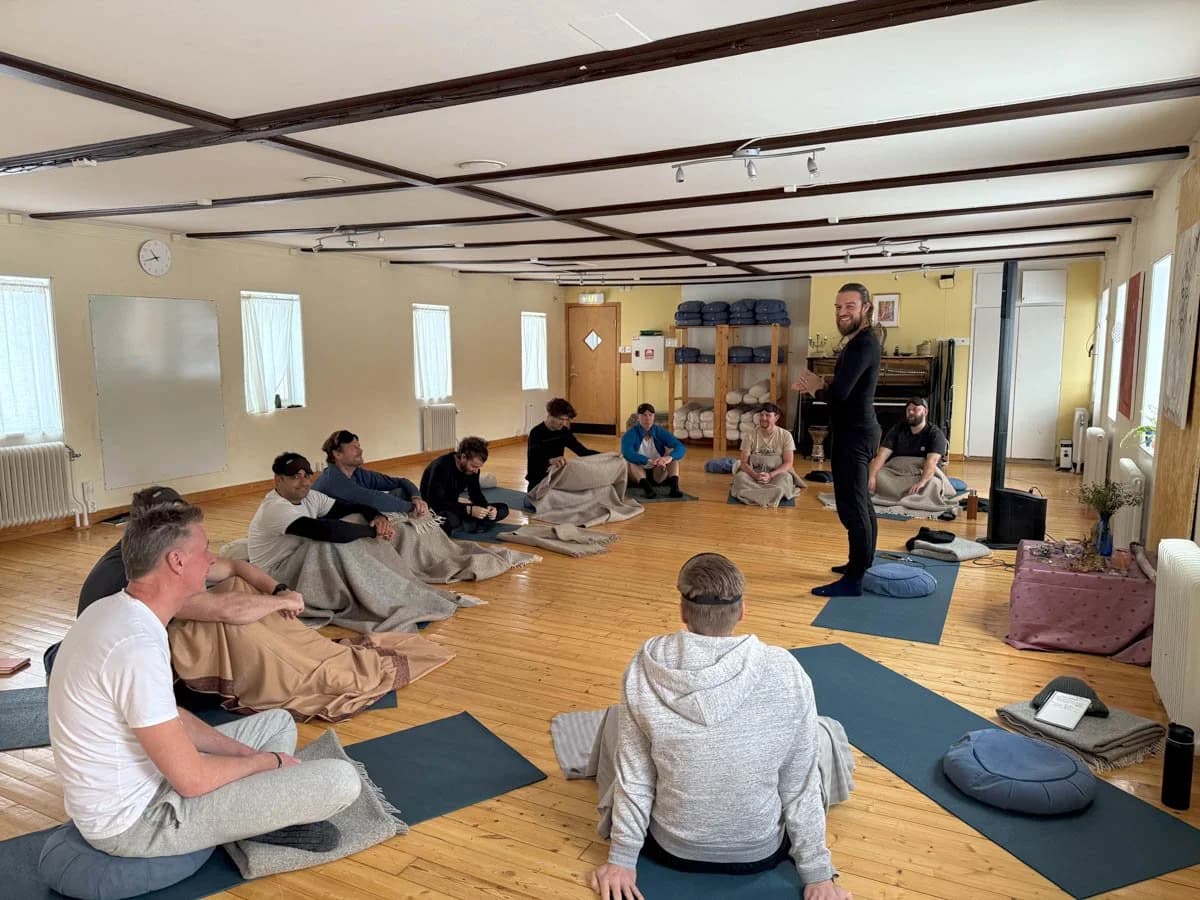
A typical day has movement or breathwork in the morning, a longer block of deeper work, something physical outdoors in the afternoon, and a circle in the evening. Cold water shows up often. Fire shows up often. There is usually at least one stretch of time alone.
Nobody is going to make you talk. Every decent facilitator makes participation optional and says so on day one. What actually happens is that around day two, someone says something real, the room shifts, and the men who arrived certain they would stay quiet find themselves talking.
The men who show up are also not who you expect. Mostly they are functioning well: business owners, engineers, fathers, guys with good jobs and good relationships who are quietly running on empty. Almost nobody there is in crisis. Men in genuine crisis usually need therapy first, and a good facilitator will say so rather than take the money.
How to vet one before you book
Five questions, and you can usually get the answers in one email or one call:
How many men? Under fifteen. Ideally eight to twelve. If they will not give you a number, that is your answer.
Who is facilitating, and what have they actually been through? Not what certification they hold. Lived experience is what lets someone hold a room when it gets real.
What does a full day look like? Ask for the schedule. Look for intention and space. Packed wall to wall means you are buying a conference.
Is it religious? Ask directly if the page does not say. Neither answer is wrong, but arriving at the wrong one is.
What happens afterward? A follow-up call, a group thread, anything. If the relationship ends when you drive away, most of what you paid for will be gone in a month.
I have written the longer version of this as five questions to ask before you book any retreat, and there is a full cost breakdown in what a retreat really costs.
Should you go abroad instead?
Sometimes, and here is the honest test.
Stay domestic if this is your first one, if the cost of flights would make you resentful, or if a long weekend is all you can realistically take. There is nothing a retreat in Costa Rica does that a well-run retreat in the White Mountains cannot, and the shorter travel means you arrive with energy instead of jet lag.
Go abroad when you want genuine distance from your own life, when you want a landscape the US does not have, or when you want a specific facilitator badly enough to travel for them. Distance buys permission: it is much harder to keep half-checking work from a forest in Sweden than from a lodge two states over.
The men's retreats I facilitate run in the Swedish wilderness, and the remoteness is the entire point. But I would not tell a man doing this for the first time that he needs to cross an ocean. He does not.
If you want help working out which format actually fits your situation, tell me where you are at. I will point you toward something real, including retreats that are not mine.
Frequently asked questions
How do I find a men's retreat near me?
Start with the format rather than the map. Decide whether you want wilderness and challenge, circle-based emotional work, a faith-based weekend, or a business-oriented format, because those are genuinely different experiences. Then look at the regions where that format clusters. Most men end up driving three to five hours or taking a short flight, and the extra distance is usually worth it.
How much does a men's retreat in the US cost?
Weekend formats typically run somewhere between roughly $800 and $2,500, and longer or smaller-group retreats run higher. Faith-based weekends are often the most affordable, sometimes only covering costs. Small-group intensives with experienced facilitators sit at the top of the range.
How long is a typical men's retreat?
Most US men's retreats run Thursday or Friday through Sunday, so three to four days. That is long enough to drop out of everyday mode and get real work done without requiring a full week off. Longer wilderness formats run five to seven days.
Do I need to be in good shape for a men's retreat?
For most, you need to be able to hike several miles comfortably. Wilderness and challenge formats ask more. Circle-based retreats often ask very little physically. Every reputable host will tell you the requirements plainly if you ask, and you should ask rather than assume.
Are men's retreats religious?
Some are, most are not. Faith-based men's weekends are a large and well-established category in the US, particularly in the South and Midwest, and they are usually explicit about it. Secular men's work retreats are a separate tradition entirely. Both exist in most regions, so check the framing before you book.
Is a men's retreat worth it if I'm doing fine?
That is who most of them are actually for. The typical participant is not in crisis. He is functioning well, respected, responsible, and quietly flat. Men in genuine crisis usually need therapy first, and a good facilitator will tell you that rather than take your money.
Wondering whether this is your year?
Ten men, six days in the Swedish forest, February 18 to 25, 2027. Most of the men who come are doing fine by every external measure and quietly running on empty, and they leave with a clearer read on their next chapter than years of thinking produced. Tell me where you are at and I will reply personally. If I do not think it is the right fit for you, I will say so.
No spam, and unsubscribe any time. See how your details are handled in the privacy policy.