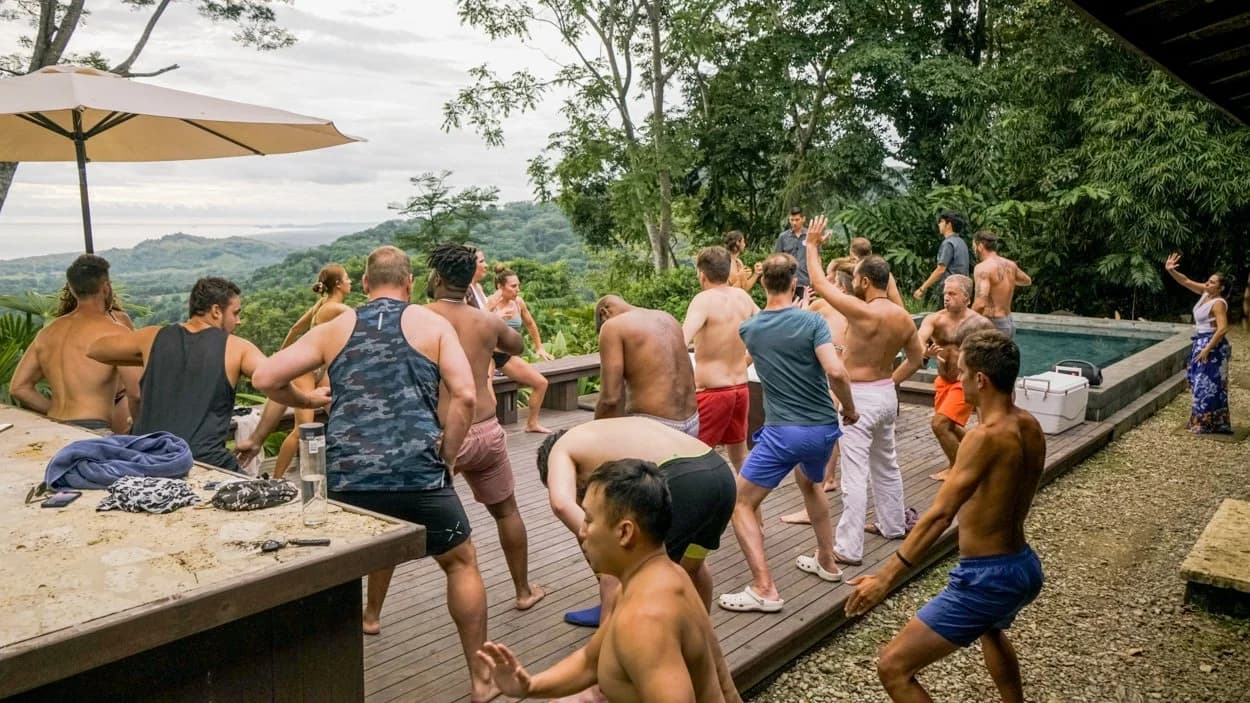
What Is a Transformational Retreat? A Straight Answer From Someone Who Runs Them
By Jon Miksis · · 8 min read
Transformational retreat is one of those phrases that gets used to sell almost anything, which makes it hard to find out what it actually means.
So, plainly: a transformational retreat is a multi-day experience designed to change how you live, not just how you feel. That is the whole distinction. A vacation gives you a break. A wellness retreat gives you recovery. A transformational retreat is built to send you home doing something differently.
I have attended 20+ transformational retreats around the world and helped facilitate six of them, and I have spent over $100,000 of my own money since 2021 on retreats, coaching and courses working out which ones do this and which ones only claim to. Here is the honest version.
What makes a retreat transformational
Four things, and a retreat missing any of them is usually something else with the label attached.
It is designed. The days have an arc rather than a schedule. Arrival and safety first, then disruption, then the deep middle, then integration and re-entry. Sessions are sequenced so each one is possible because of the one before it.
It is facilitated. Someone experienced is holding the room, managing group dynamics, and creating enough safety that people stop performing. This is the single largest variable in whether anything happens, and it is the thing you are actually paying for.
It is small. Eight to twelve people. Small enough that nobody hides, big enough to have energy. Past about fifteen the depth quietly disappears and it becomes an event.
It is integrated. There is a plan for what happens when you get home, because that is where the change either takes or evaporates.
Everything else, the location, the food, the yoga, the cold plunge, is a delivery mechanism. Useful, but not the thing itself.
How it differs from everything adjacent
| Built around | Led by | Typical length | You leave with | |
|---|---|---|---|---|
| Vacation | Rest and enjoyment | Nobody, you choose | Any | Rest and photos |
| Wellness retreat | The body: sleep, movement, recovery | Instructors and practitioners | 5 to 7 days | A restored baseline |
| Transformational retreat | The direction of your life | A facilitator holding a group | 3 to 7 days | Decisions and a changed baseline |
| Mastermind | Your business or work | A convener plus peers | 2 to 4 days | Strategy and contacts |
| Therapy | Clinical treatment | A licensed professional | Months, one to one | Treatment for a diagnosed condition |
The two most common mistakes are booking a transformational retreat when your body simply wants sleep, and booking a wellness week when what is actually unresolved is the shape of your life. I wrote about the first distinction in retreat vs vacation and the second in the six types of wellness retreat.
What actually happens
Less than people expect, and it lands harder than they expect.
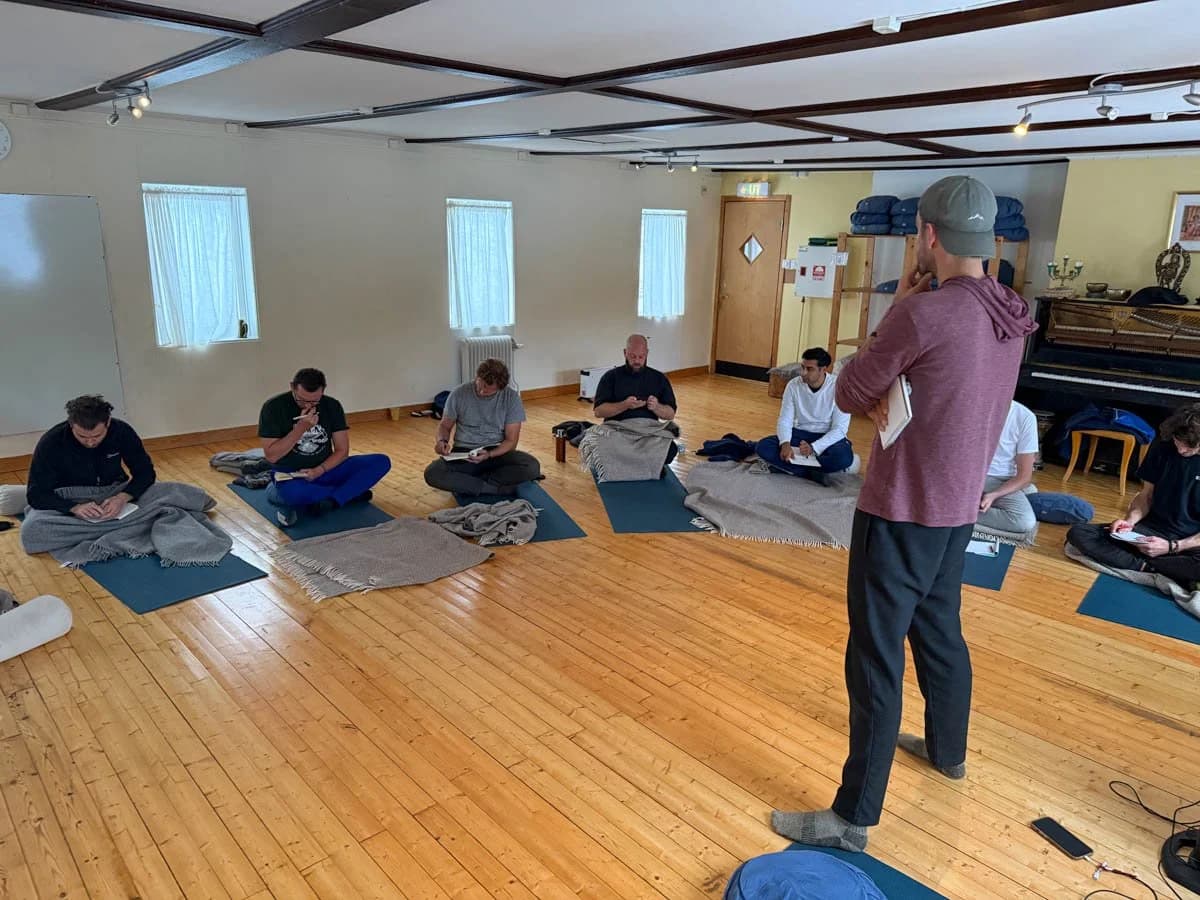
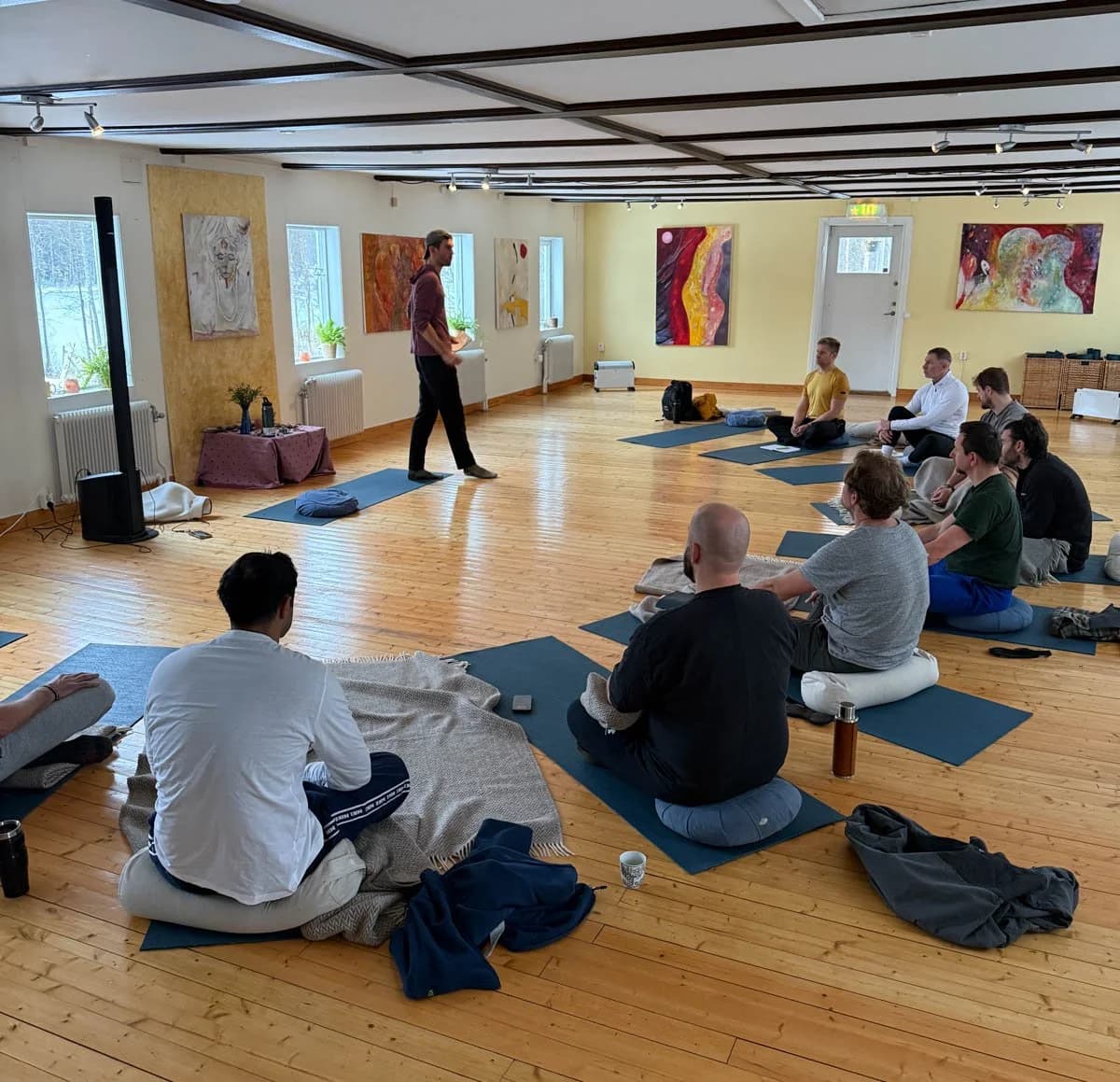
A day usually runs: movement or breathwork in the morning before food, one long block of deeper facilitated work mid-morning when attention is best, a genuinely long break in the middle, something physical outdoors in the afternoon, and a circle in the evening. At least two nights have nothing scheduled after dinner.
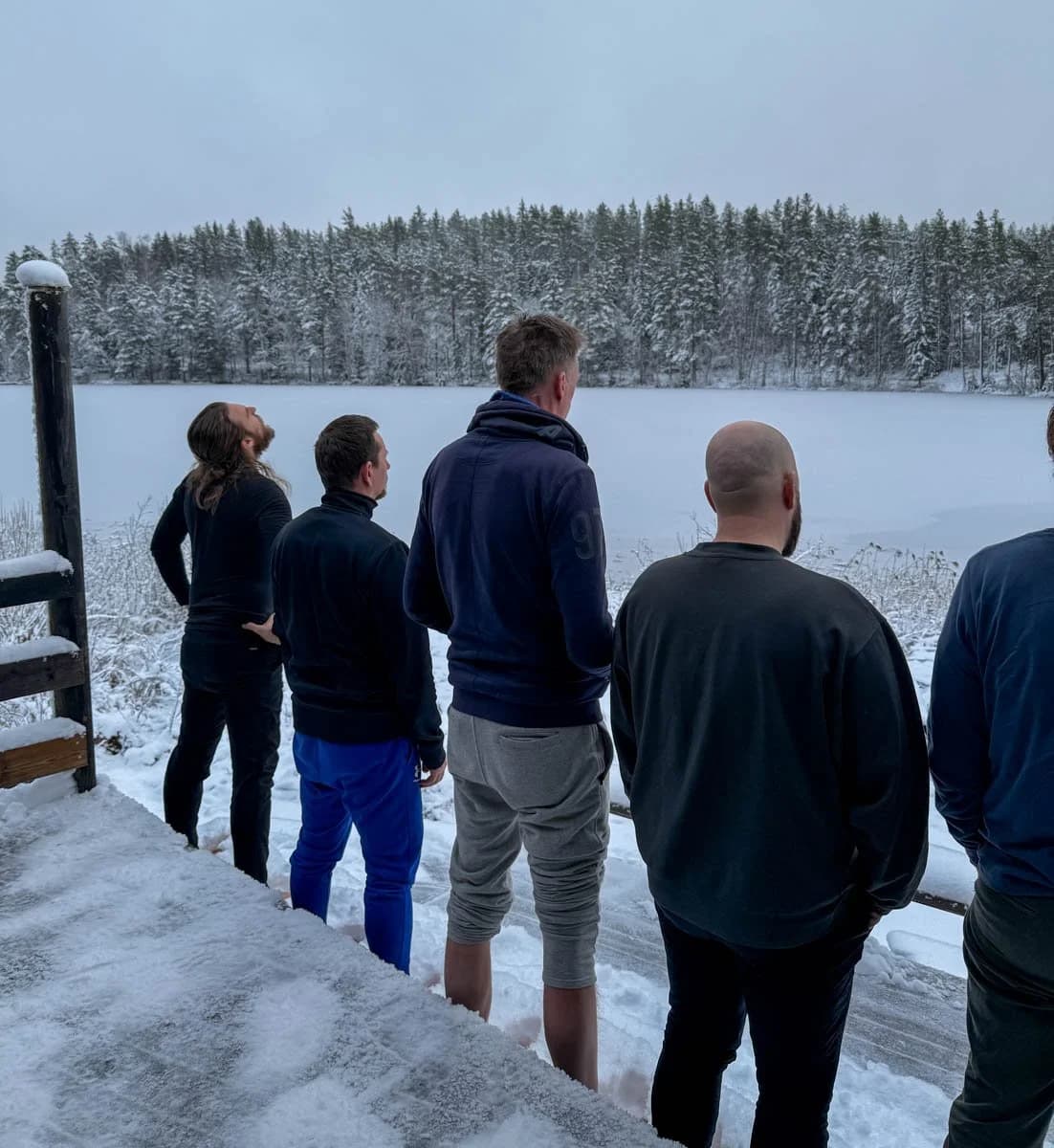
The practices vary but the common ones are breathwork, cold exposure, structured group conversation, time alone, and long walks. None of it is mystical. Breathwork and cold water are nervous system training: you put your body under controlled stress and practise staying regulated inside it, which is the exact capacity that has been quietly failing in meetings and at home.
The nature component is not decoration either, though it is worth being careful about what the evidence actually shows. A nationally representative survey of 19,806 people in England, published in Scientific Reports, found that those spending at least 120 minutes a week in nature were significantly more likely to report good health and high wellbeing, with no such association below that threshold. That study is cross-sectional and measured time spread across a week, so it does not prove a concentrated block does the same thing. What it does establish is that the dose most people get in ordinary life is below the level associated with any benefit, and a retreat clears it comfortably.
The arc, day by day
Day one everyone is still performing slightly. Polite, capable, presenting a version of themselves. Very little real work happens and that is correct, because safety has to be built first.
Day two something cracks. Usually not in a session. Someone says a true thing at breakfast or on a walk, and the room reorganises around it. This is when the group becomes a group.
Day three is the deep part. This is where the actual work lands, and why anything under three days tends to produce a nice experience rather than a change.
The final day should be about integration: what specifically changes on Monday, what comes out of your life, what goes in, who holds you to it. Retreats that skip this produce a wonderful week and very little else.
Who actually goes
Not who people imagine.
The typical attendee is functioning well by every external measure. Business owners, professionals, parents, people with good jobs and reasonable relationships who cannot remember the last time they felt genuinely alive. On paper everything is fine. That is precisely the problem, because nothing is broken enough to force a change.
Very few people are in acute crisis, and that is by design. Retreats are good at moving someone from functioning-but-flat to clear and motivated. They are not clinical treatment, and any facilitator worth booking will refer someone in genuine crisis to therapy rather than taking a deposit.
Almost everyone arrives alone, which is part of why groups form so quickly.
What changes, and what does not
The honest version, because the marketing in this space is unbearable.
What reliably changes: your baseline for what normal feels like, a clearer read on what is actually wrong, two or three decisions you had been avoiding, and a handful of people you can call. Most participants say the ongoing relationships mattered more six months later than any single moment on the retreat.
What does not change: your circumstances. You still have the same job, mortgage, and relationships on Tuesday. A retreat gives you clarity and capacity. It does not do the work of acting on them.
What determines whether it holds: integration, almost entirely. The insight has a shelf life of about a fortnight without a plan and someone checking in. This is the single biggest differentiator between a retreat people remember fondly and one they credit with changing their life.
The main formats
Transformational retreat is a category, not a format. The main ones:
- General transformational retreats. Mixed groups, broad focus. The default.
- Men's retreats. Nervous system work, brotherhood, and honest reflection in a men-only container. The fastest growing format, and one I facilitate.
- Spiritual retreats. Silence, ceremony and practice, sometimes inside a tradition and often not.
- Executive and leadership retreats. Built for teams or senior individuals questioning the role rather than the field.
- Career change retreats. Organised around one decision: what you do next for work.
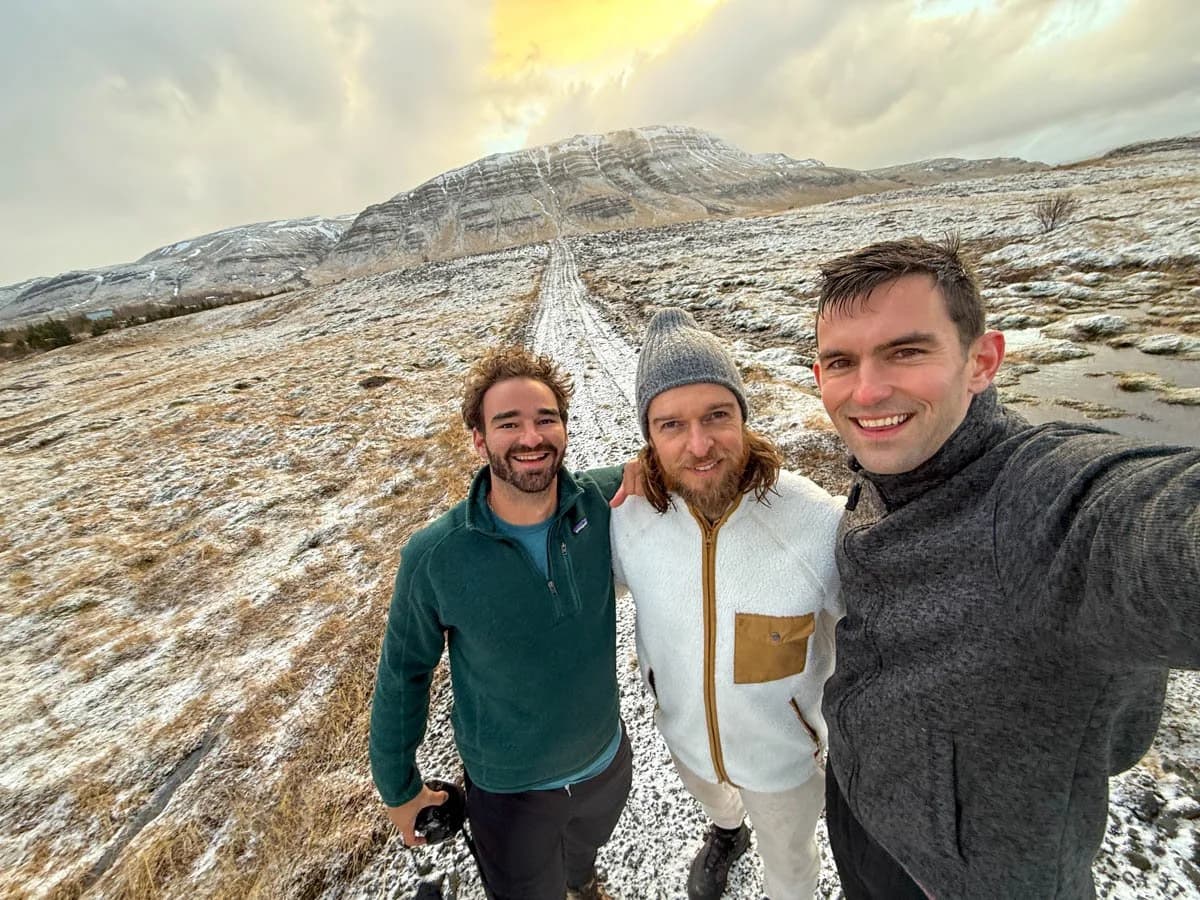
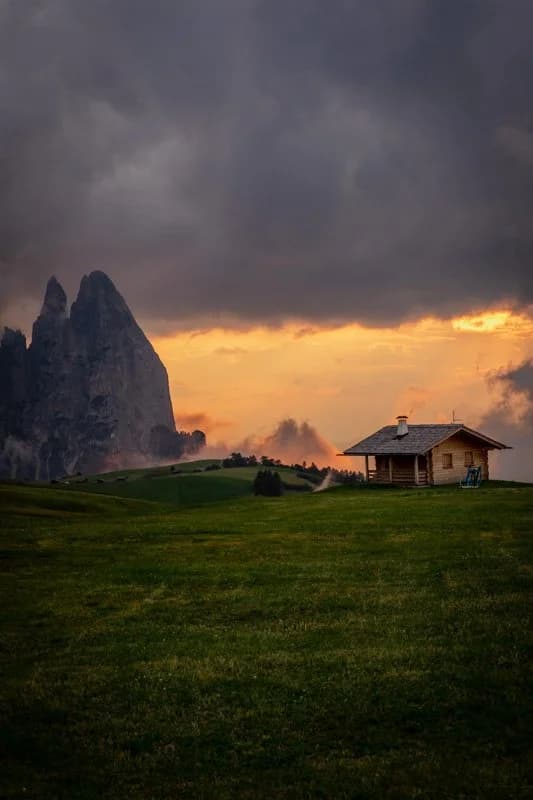
Where they happen
Landscape does real work, and different landscapes do different work. Mountains create scale and challenge. Islands and coast soften people. Desert is confronting and quiet. Forest strips away performance fastest.
I have written up twelve destinations I have personally travelled or worked in, with what each one is genuinely good for rather than how it photographs.
What they cost
Most multi-day transformational retreats land between roughly $1,500 and $8,000 per person before flights, depending on length, location, group size, and how much facilitator attention you get. Small groups cost more per head because the fixed costs divide fewer ways, which is arithmetic rather than markup.
Full breakdown, including what is never included and what gets cut to reach an attractive price, is in what a retreat really costs.
How to tell a real one from a nice trip
Five questions, and you can usually get the answers in one email:
- What is the group cap? Twelve or under. If they will not say, that is your answer.
- Who is facilitating, and what have they actually lived? Not what certification they hold.
- What does a full day look like? Ask for the schedule. Look for intention and genuine space.
- What happens afterward? Any follow-up at all beats none.
- What am I leaving with? If the answer is only "clarity," it is a wellness week with different marketing.
The longer version, including the red flags worth walking away from, is in five questions to ask before you book.
Should you go
If you are tired and need a break, no. Book a beach. A retreat is an expensive way to rest and the structure will irritate you.
If you are stuck, scattered, or successful on paper and quietly flat, this is one of the higher-leverage things you can spend money on. Not because of the destination, but because of the compression: the right container, the right people, and several uninterrupted days is close to impossible to manufacture in ordinary life.
If you want help working out whether it is the right instrument for your situation, tell me where you are at. Sometimes the honest answer is that you need a coach, a doctor, or a holiday instead, and I will say so. You can also see the retreats I host and personally recommend.
Frequently asked questions
What is a transformational retreat?
A multi-day experience designed to change how you live rather than just how you feel. It combines time away from normal life with facilitated group work, nervous system practices such as breathwork and cold exposure, time in nature, and structured integration so the change survives the trip home. The defining feature is design: the days are built to produce a shift, not to fill a schedule.
How is a transformational retreat different from a wellness retreat?
A wellness retreat works on the body: sleep, stress load, movement, nutrition, recovery. A transformational retreat works on the direction of your life through facilitated group work. Wellness restores you to your current life. Transformational asks whether you want it. Many retreats include wellness elements, but the difference is what the days are organised around.
What actually happens at a transformational retreat?
A typical day has movement or breathwork in the morning, a longer block of deeper facilitated work mid-morning, genuine unstructured space in the middle of the day, something physical outdoors in the afternoon, and a group circle in the evening. Across three to seven days the arc runs from arrival and safety, through disruption, to integration and re-entry.
Who goes on transformational retreats?
Mostly people who are functioning well and quietly flat. Business owners, professionals, parents, people who are successful on paper and cannot remember the last time they felt genuinely alive. Very few attendees are in crisis, and reputable facilitators refer people in acute crisis to therapy rather than taking their money.
Do transformational retreats actually work?
They reliably produce a shift during the retreat. Whether it survives depends almost entirely on integration: what specifically changes when you get home, and whether anyone follows up. Retreats with a follow-up call and an ongoing group produce durable change far more often than retreats that end at the airport.
How long is a transformational retreat?
Three to seven days is the normal range. Under three days there is not enough time for the first-day guardedness to drop, so weekend formats tend to produce a good experience rather than a change. Six to seven days is where the deeper work usually happens.
Is a transformational retreat the same as therapy?
No, and the distinction matters. Therapy is clinical treatment delivered by a licensed professional, usually one to one and over months. A retreat is a short, group-based, non-clinical experience. Retreats are good at moving someone from functioning-but-flat to clear and motivated. They are not a substitute for clinical care, and a good facilitator will say so.
Hear when 2027 dates open
I run a small number of retreats a year. I email when dates open or a spot frees up, and not otherwise.
No spam, and unsubscribe any time. See how your details are handled in the privacy policy.